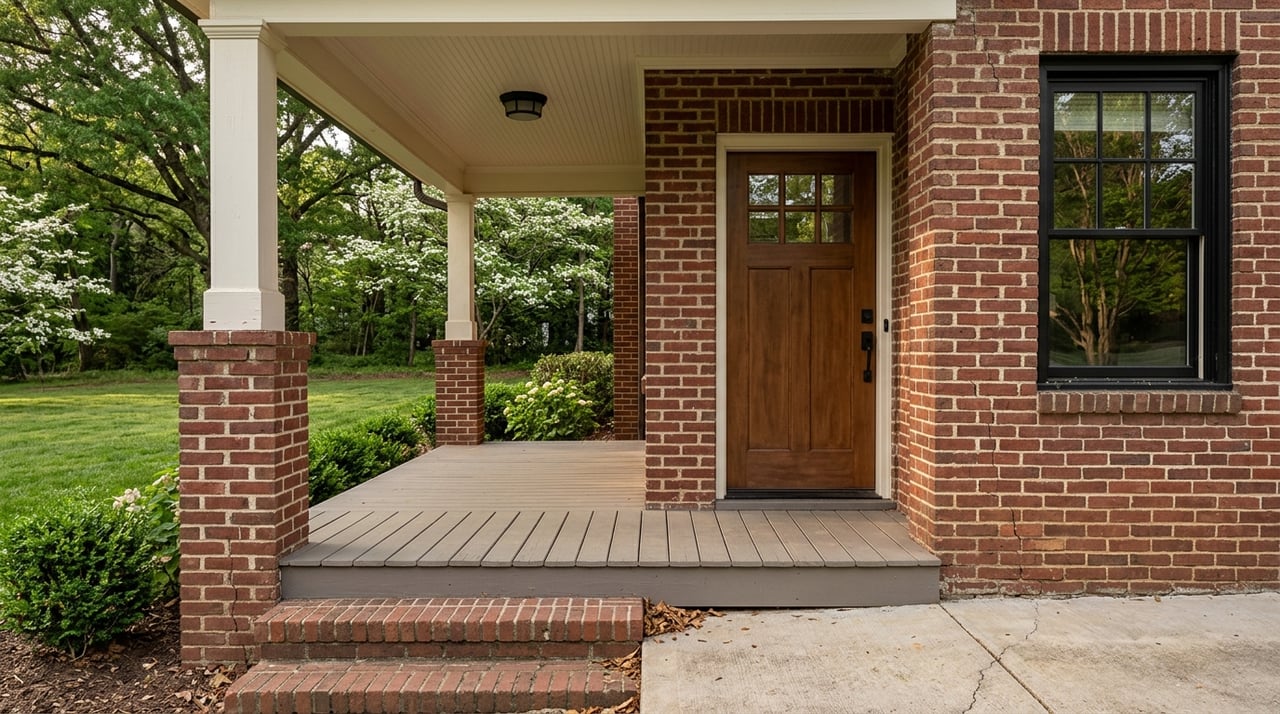
Trying to choose between a newer home and an older one in Seymour? You are not alone. Many buyers here end up weighing the same question: do you want easier maintenance and newer finishes, or more land, more privacy, and a different kind of character? In Seymour, both options are very real, and the better fit depends on how you plan to live in the home day to day. Let’s break down the tradeoffs so you can shop with more clarity.
Why Seymour Makes This Decision Unique
Seymour is not a one-note housing market. It is a growing community in Sevier County, with the population increasing from 10,919 in 2010 to 14,705 in 2020, according to Census QuickFacts. The same source shows a 77.5% owner-occupied rate from 2020 to 2024 and a median owner-occupied home value of $308,100.
That matters because Seymour tends to function like a long-term owner market rather than a place where every home follows the same pattern. Resale value often comes down to practical things like upkeep, usable lot space, and how convenient the location feels for your regular drive. If you are comparing newer and older homes here, you are really comparing two different lifestyles.
Newer Homes in Seymour
Newer construction in Seymour tends to follow a more modern subdivision style. Current examples from 2025 and 2026 show homes with features many buyers expect today, including open floor plans, vaulted ceilings, attached garages, and quartz or other solid-surface counters.
Lot sizes for these homes are often smaller than older acreage properties, but not always tiny. Public listings show examples on about 8,712 square feet, 0.39 acre, 0.60 acre, and even 0.88 acre. So if you want a newer home, you may still be able to find enough yard space for outdoor living, gardening, or a little breathing room.
What newer homes often offer
If your goal is simplicity, newer construction can be appealing for a few key reasons:
- More current layouts and finishes
- Fewer near-term repair needs
- More predictable maintenance costs
- Better odds of modern insulation, windows, and HVAC performance
- Attached garages and storage that match current buyer preferences
For many buyers, the biggest draw is peace of mind. A newer roof, newer systems, and updated materials can make the first few years of ownership feel more manageable.
Older Homes in Seymour
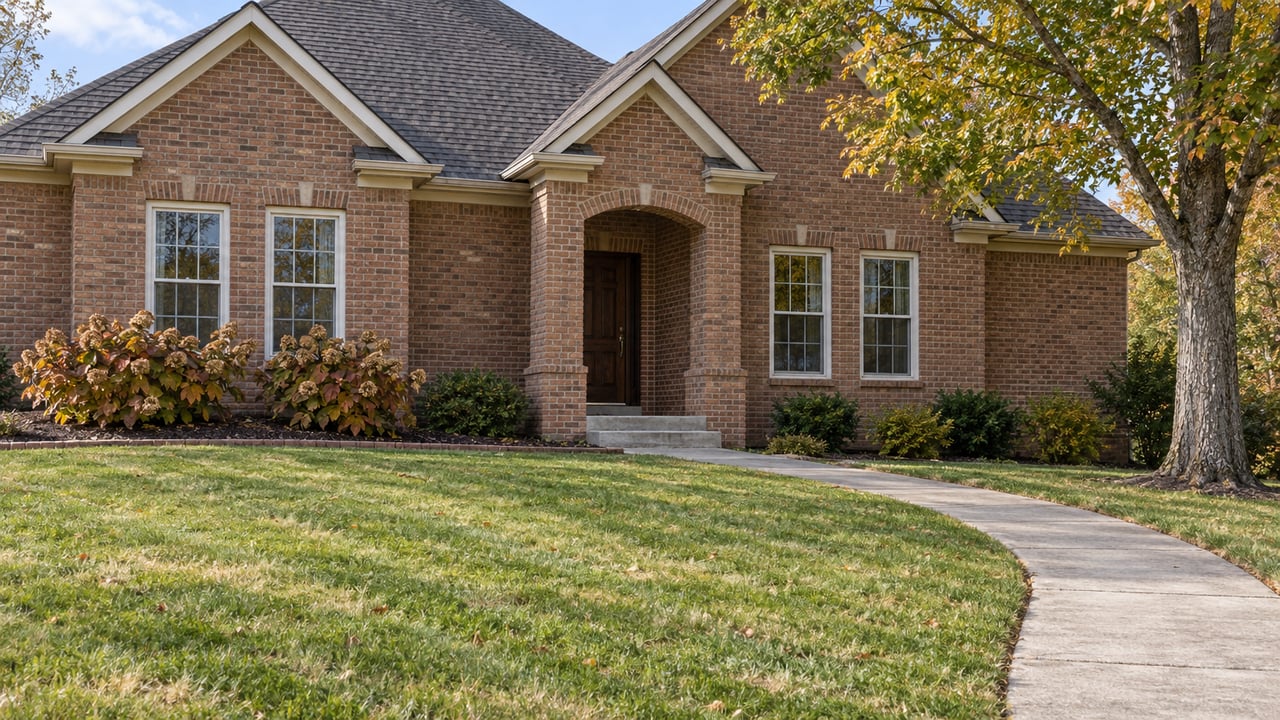
Older homes in Seymour often tell a different story. Public listings from the 1950s through the 1970s show ranch homes, split-foyers, basement ranches, and brick homes on a wider range of lot sizes.
This is where Seymour starts to stand out. Older properties can come with 0.68 acre, roughly 31,799 square feet, 0.84 acre, 1.07 acres, 1.5 acres, and even 5.8 acres. If land matters to you, older homes may open more options.
What older homes often offer
Older homes can be attractive if you value things that are harder to recreate in a newer subdivision setting:
- Larger lots
- More separation from neighbors
- Traditional layouts and brick construction
- Mature trees and established outdoor space
- Distinct architectural style
That extra space can mean more room for hobbies, storage buildings, gardening, parking flexibility, or simply a quieter feel. In Seymour, that is a major reason buyers keep older homes on their list.
The Real Tradeoff: Convenience Versus Space
The choice between newer and older homes in Seymour is usually less about which one is better and more about which tradeoff fits your priorities. Newer homes often make daily ownership easier. Older homes often give you more land and a different kind of long-term value.
If you want a home that feels turnkey, newer construction may be the smoother path. If you are willing to take on updates in exchange for lot size, privacy, or character, an older home may be the better buy.
Energy Efficiency and Utility Costs
One of the clearest differences between newer and older homes is energy performance. ENERGY STAR states that certified homes are at least 10% more energy efficient than homes built to code and average about 20% better performance. That is tied to features like insulation, windows, air sealing, and HVAC verification.
The U.S. Department of Energy also notes that older homes often were not built with modern insulation standards, and that single-pane glazing is common in older buildings while new efficient homes typically use double- or triple-pane windows. In practical terms, that can affect comfort and monthly utility costs.
What this means for you
A newer home may help you with:
- Lower heating and cooling loss
- More even indoor temperatures
- Fewer efficiency upgrades right away
- Better short-term predictability in monthly costs
An older home may still work well if prior owners have already improved major systems. In fact, one Seymour listing from 1970 highlighted updates to the roof, windows, siding, electrical panel, water heater, and septic system. That is a good reminder that condition matters more than age alone.
Maintenance Can Change the Math
Buyers sometimes focus too much on the year built and not enough on what has actually been maintained. In Seymour, an older home that has seen thoughtful updates may be less risky than a newer home with a layout or lot that does not fit your needs.
When you tour older homes, pay attention to the big-ticket items first. Roof age, windows, HVAC, plumbing, electrical service, and septic or sewer details can have a bigger impact on your ownership costs than cosmetic style.
Smart questions to ask on older homes
Before you make an offer, try to confirm:
- When the roof was last replaced
- Whether windows have been updated
- The age and condition of the HVAC system
- Whether the electrical panel has been upgraded
- Whether the property uses septic, sewer, well, or public water
- What repairs or replacements the current owner has completed
Those answers can quickly tell you whether an older home is a hidden opportunity or a bigger project than you want.
Lot Size and Land Use Matter in Seymour
Seymour buyers often care about the lot almost as much as the house. That is one reason older homes can stay attractive even when they need updates. A larger lot may give you flexibility that is hard to find in newer construction.
At the same time, larger land also comes with responsibility. More mowing, more drainage concerns, longer driveways, and more exterior upkeep can all add time and cost. If you love space, that may be worth it. If you want low-maintenance living, it may not be.
Commute and Location Patterns
Seymour’s location along the US-411 and US-441 corridor is part of how buyers evaluate homes here. Public sources and listing directions regularly reference access from Knoxville and Sevierville by way of Chapman Highway and US-441/US-411.
That means your home search is not only about new versus old. It is also about how each property fits your routine. A house with more land may be worth the trade if the drive works for you. A newer subdivision home may win if convenience is a top priority.
Utility Setup Is Not a Small Detail
One easy mistake is assuming every home in the same area has the same utility setup. Current Seymour listings show real variation, including well and septic, public sewer, and public water with septic.
That is especially important when comparing newer and older homes. Infrastructure affects maintenance, operating costs, and how a property functions over time. It is smart to treat utility setup as part of the decision from the start, not as a box to check later.
Which Type of Seymour Home Fits You Best?
If you are still deciding, this simple framework can help.
A newer home may fit best if you want
- More current design and finishes
- Fewer repair projects in the near future
- Better efficiency potential
- A simpler move-in experience
- A manageable yard with less upkeep
An older home may fit best if you want
- More lot size or acreage
- More privacy from neighbors
- Traditional home styles like ranch or brick construction
- Space for outdoor projects or storage needs
- Character that feels less uniform
In Seymour, there is no universal right answer. The best home is the one that matches your budget, your tolerance for maintenance, and the way you want to use the property over the next several years.
If you want help comparing specific homes in Seymour, Kelly White can help you weigh lot size, condition, commute access, and long-term value so you can move forward with confidence.
FAQs
Should I buy a newer or older home in Seymour?
- It depends on your priorities. Newer homes often offer lower maintenance and better efficiency, while older homes may offer larger lots, more privacy, and more traditional styles.
Are newer homes in Seymour always on small lots?
- No. Current Seymour new construction includes smaller lots, but some public listings also show newer homes on roughly half-acre to near-acre sites.
Do older homes in Seymour usually have more land?
- In many cases, yes. Public listings from the 1950s through the 1970s show a wider spread of lot sizes, including homes on more than an acre and some with several acres.
Are older Seymour homes more expensive to maintain?
- They can be, especially if major systems have not been updated. Roof condition, windows, HVAC, electrical, and septic or sewer setup all matter more than the build year by itself.
What utility setups should I check on Seymour homes?
- Check whether the property uses well water, public water, septic, or public sewer. Current Seymour listings show that these setups can vary from home to home.
Does location matter as much as the house in Seymour?
- Yes. Seymour’s position along the US-411 and US-441 corridor means commute convenience can be a major part of the decision, especially for buyers traveling toward Knoxville or Sevierville.