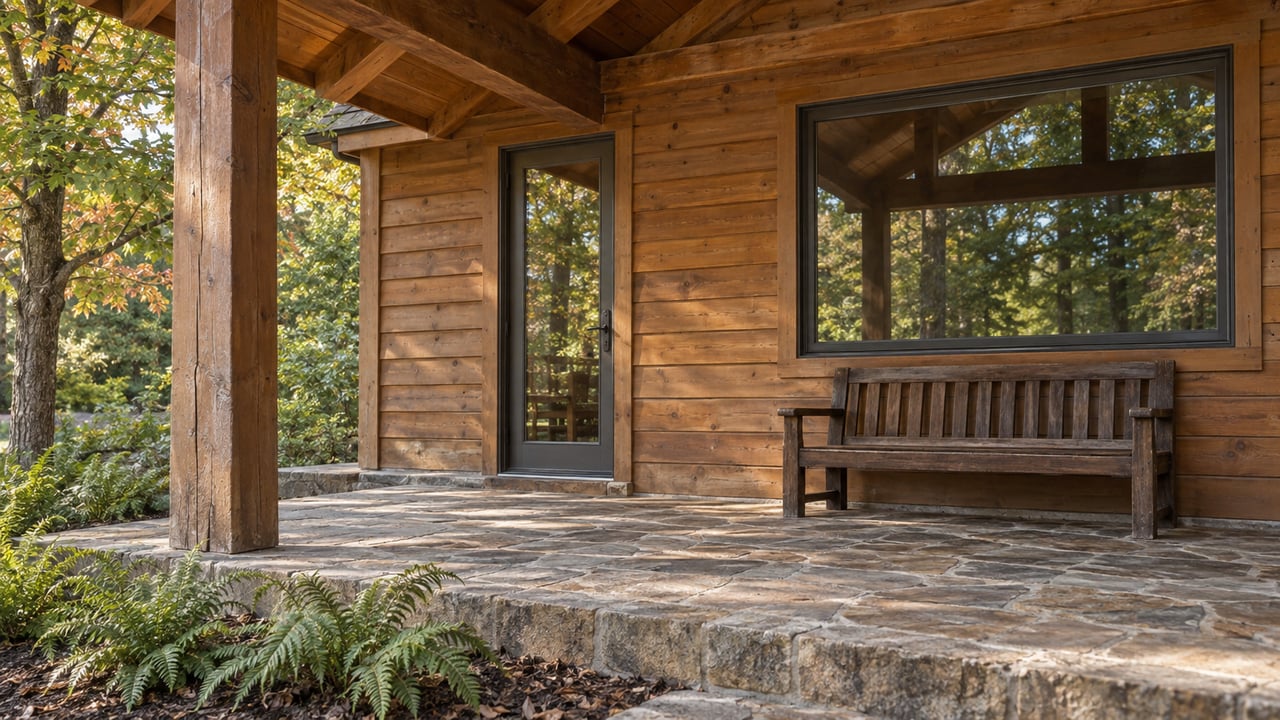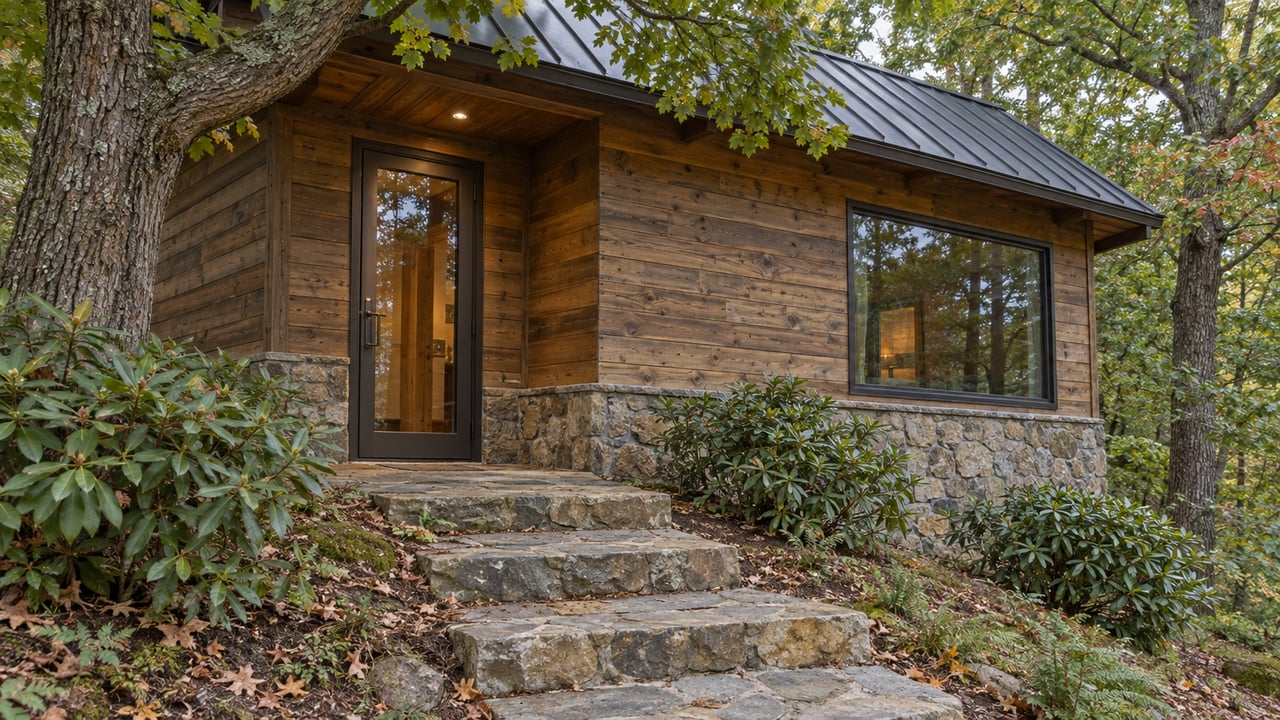
Selling a Sevierville cabin is not just about putting it on the market and waiting for the right offer. In a tourism-driven area with thousands of cabins and a mix of buyer types, preparation can shape how quickly you sell, how confidently buyers move forward, and how much you keep at closing. If you want to position your cabin for a stronger result, the key is to think like both a seller and an operator. Let’s dive in.
Why cabin prep matters in Sevierville
Sevierville’s housing numbers can look very different depending on where you check. As of spring 2026, Zillow reported an average home value of $415,594 and about 48 days to pending, while Redfin showed a $365,000 median sale price with roughly 121 days on market, and Realtor.com reported a much higher median listing price. That spread is a reminder that broad citywide averages do not tell the full story for cabins.
If you own a cabin, your pricing and prep strategy should focus on comparable cabins and short-term rental properties, not the entire Sevierville market. A clean, well-documented cabin with a strong operating story can stand apart from generic listings. That is especially true when buyers are comparing your property to other income-producing options in the Smokies.
Tourism still supports demand in this area. Tennessee recorded $31.7 billion in direct visitor spending and 147 million visits in 2024, and Sevier County ranked near the top statewide for visitor spending. The area also has more than 7,000 cabins and more than 10 million annual visitors, which helps explain why prepared cabins can still draw serious investor interest.
Start with permits and compliance
Before you worry about photos, staging, or pricing, make sure your operational file is in order. In Sevierville, short-term rentals are regulated operations. That means buyers may look beyond the cabin itself and evaluate whether the property is set up cleanly from a permit, inspection, and safety standpoint.
If your cabin is inside Sevierville city limits, a short-term rental operational permit is required, tied to a life-safety inspection, and renewed annually. If the property is in Sevier County outside city limits, the county also requires an annual permit and inspection. County guidance states that when a short-term rental is sold, the permit and account transfer to the new owner, but the buyer must complete a change-of-information application.
That makes your paperwork part of your sale strategy. Before listing, gather the documents a buyer is likely to request so there is less friction once you receive an offer.
Key documents to organize
- Short-term rental permit status
- Certificate of occupancy
- Original application date
- Inspection reports
- Occupancy load documentation
- Tax remittance records
- Repair and maintenance records
Sevier County specifically recommends sharing the certificate of occupancy, original application date, and inspection reports with the buyer. The county also notes that your advertised occupancy must match the legal occupancy load. If those details are unclear, a buyer may question both compliance and projected income.
Fix safety items first
Not every pre-listing project has the same payoff. For a Sevierville cabin, life-safety items deserve attention first because they matter to both property condition and short-term rental readiness. They can also affect inspections, negotiations, and a buyer’s confidence in the property.
County application materials require owners to verify smoke alarms, carbon monoxide alarms, and fire extinguishers. The city states that its code and inspections follow the 2021 International Fire Code with local amendments. If your cabin has missing, outdated, or poorly placed safety devices, deal with those before your listing goes live.
This step may not feel glamorous, but it is often one of the smartest ways to reduce late-stage problems. Buyers tend to feel more comfortable when a cabin looks operationally sound from day one.
Safety checklist before listing
- Test all smoke alarms
- Confirm carbon monoxide alarms are installed where required
- Replace expired or missing fire extinguishers
- Review deck railings and stairs for stability
- Address visible trip hazards inside and outside
- Make sure occupancy claims match the legal limit
Focus on high-ROI repairs
Once safety items are covered, shift your attention to the updates buyers notice right away. National resale data points to condition-driven improvements as the strongest use of pre-listing dollars. In NAR’s 2025 Remodeling Impact Report, 46% of buyers were less willing to compromise on a home’s condition, and the most commonly recommended seller projects included painting and roof replacement.
Zonda’s 2025 Cost vs. Value report showed that exterior projects generally outperformed larger discretionary remodels. Top-return projects included garage door replacement, steel entry door replacement, manufactured stone veneer, fiber-cement siding replacement, and minor kitchen remodels. Deck additions also ranked among the top returns.
For a Sevierville cabin, that data supports a practical plan: prioritize the roof, entry, decks, exterior touch-ups, and visible kitchen or bath improvements. You do not need a full luxury overhaul to improve your position. You need the cabin to feel well-kept, functional, and easy for a buyer to trust.
Best pre-listing improvements for a cabin
- Fresh paint where finishes look worn
- Roof repairs or replacement if needed
- Exterior siding or stain touch-ups
- Front entry cleanup and hardware updates
- Deck and railing repairs
- Minor kitchen improvements
- Minor bathroom updates
- Landscaping cleanup and roofline debris removal
In a tourism-heavy market, buyers are often evaluating the full guest experience as much as the floor plan. Clean rooflines, safe decks, a strong first impression, and tidy outdoor areas all help reinforce value.
Build a clean income package
If your cabin has been used as a short-term rental, your financial records can influence how buyers view the property. A profitable-looking listing is one thing. A well-documented income package is much stronger.
Put this package together before you list, not after you accept an offer. Buyers and lenders may want more than screenshots from a booking platform, especially if they are underwriting the purchase based on rental income.
Sevier County seller guidance recommends sharing permit records, inspection reports, and occupancy documentation. On the financing side, Fannie Mae guidance notes that lenders documenting rental income commonly use the borrower’s most recent signed federal tax return with Schedule E, and in some situations may review two years of returns or other supporting rental documentation.
What to include in your seller package
- Calendar export
- Trailing revenue records
- Cleaning logs
- Maintenance logs
- Tax remittance records
- Permit and inspection documents
- Certificate of occupancy
- Profit and loss summary
- Tax returns if appropriate for buyer due diligence
When these records are organized, buyers can review the property with fewer unknowns. That can make your cabin feel more turnkey and reduce the chance of renegotiation later.
Time your listing around the rental calendar
In Sevierville, timing matters because the Smokies are not a flat, year-round market. Great Smoky Mountains National Park recorded 12.2 million recreational visits in 2024 and remains open year-round, with October identified by the National Park Service as the busiest month. That seasonality can affect how you handle bookings leading up to a sale.
If your cabin has strong fall reservations, you may not want to shut down the calendar too early unless the expected sales benefit clearly outweighs the lost revenue. On the other hand, some buyers may prefer a cleaner handoff with future dates available to manage themselves. The right approach depends on your goals, but it should be a deliberate decision.
Questions to ask before adjusting bookings
- Is your strongest revenue window still ahead?
- Will active reservations help prove income?
- Will a buyer want immediate personal use or continued bookings?
- Could blocked dates make showings and inspections easier?
- Would preserving peak season income improve your net result?
A smart listing strategy balances marketability and income preservation. In a place where October demand is especially strong, that balance can matter more than many sellers realize.
Get disclosures ready early
Tennessee disclosure rules should be part of your prep process, not an afterthought. The state’s Healthy Homes guidance says most sellers of residential real estate must complete a disclosure statement covering known defects or malfunctions, environmental hazards, encroachments, flood or drainage problems, and unpermitted remodeling work.
For a cabin, that means you should gather records related to repairs, drainage concerns, remodeling history, and known property issues before negotiations begin. Early preparation helps you answer buyer questions clearly and consistently. It also lowers the risk of surprises that can stall a deal.
If you have completed updates over time, organize invoices, contractor information, and any permit-related paperwork you still have. Even when a repair is no longer an active issue, documentation helps support credibility.
Price with cabin comps, not broad averages
One of the biggest mistakes cabin sellers can make is relying on broad market averages to set an asking price. In Sevierville, citywide numbers vary sharply by source because they capture different property types, price points, and mixes of sales. A short-term rental cabin should be compared against similar cabins with similar use, condition, and location context.
That is especially important in a market shaped by both lifestyle buyers and investors. Some buyers are focused on views, design, and personal enjoyment. Others are measuring permit status, occupancy, and income potential. Your pricing strategy needs to reflect the type of buyer your cabin is most likely to attract.
A profitable sale usually comes from matching price, presentation, and documentation. When those three pieces align, buyers have fewer reasons to hesitate.
The goal: reduce friction
The most profitable Sevierville cabin sales often have one thing in common. They feel easy to understand. Buyers can see the condition, review the paperwork, evaluate the income story, and move forward without chasing missing details.
That does not mean your cabin has to be perfect. It means it should be prepared in a way that reduces uncertainty. In a market where buyers may be comparing dozens of cabins, lower friction can be a real advantage.
If you are thinking about selling, the right plan usually starts with the basics: safety, compliance, curb appeal, clear records, and smart timing. From there, your listing is in a much stronger position to compete.
If you want expert guidance on how to prepare, price, and market your Sevierville cabin for the strongest possible result, connect with Kelly White.
FAQs
What documents should you gather before selling a Sevierville cabin?
- You should gather your short-term rental permit information, certificate of occupancy, inspection reports, original application date, occupancy documentation, tax remittance records, and repair and maintenance logs.
What repairs matter most before listing a Sevierville short-term rental cabin?
- The highest-priority items are safety fixes, roof issues, deck and railing repairs, exterior touch-ups, entry improvements, and visible kitchen or bathroom updates.
What should Sevierville cabin sellers know about short-term rental permits?
- In both the city of Sevierville and Sevier County, short-term rentals require annual permits and inspections, and county guidance states that permit and account information transfer to a new owner when the property is sold, with buyer follow-up required.
How can Sevierville cabin sellers prepare rental income records for buyers?
- You should organize calendar exports, trailing revenue, cleaning and maintenance logs, tax remittance records, permit documents, occupancy records, and a clear profit-and-loss summary before listing.
When is the best time to list a cabin in Sevierville?
- The best timing depends on your goals, but because Great Smoky Mountains National Park reports October as its busiest month, you should weigh the value of peak-season bookings against the benefits of a cleaner listing calendar.