Trying to choose between a cozy Sevierville cabin and a convenient city home? You are not alone. Buyers in the Smokies weigh lifestyle, income potential, and long‑term costs before deciding. In this guide, you will compare real numbers, rules, financing, and upkeep so you can pick the property that fits your goals with confidence. Let’s dive in.
Market snapshot and prices
The Sevier County market ranges from simple turn‑key cabins to luxury retreats. Countywide, the median sale price was about $447,275 as of January 2026, according to a recent Redfin snapshot. You can view the county trend on the Redfin report for Sevier County for context and recent movement.
Inside Sevierville city, published medians vary because listing mixes change. Realtor.com showed a Sevierville median near $650,000 as of December 2025. Other local snapshots in mid‑2025 placed the city median closer to $500,000. Treat these as a range rather than a single point, and always compare by neighborhood and property type.
Cabin price bands currently seen in local listings often fall into three clusters:
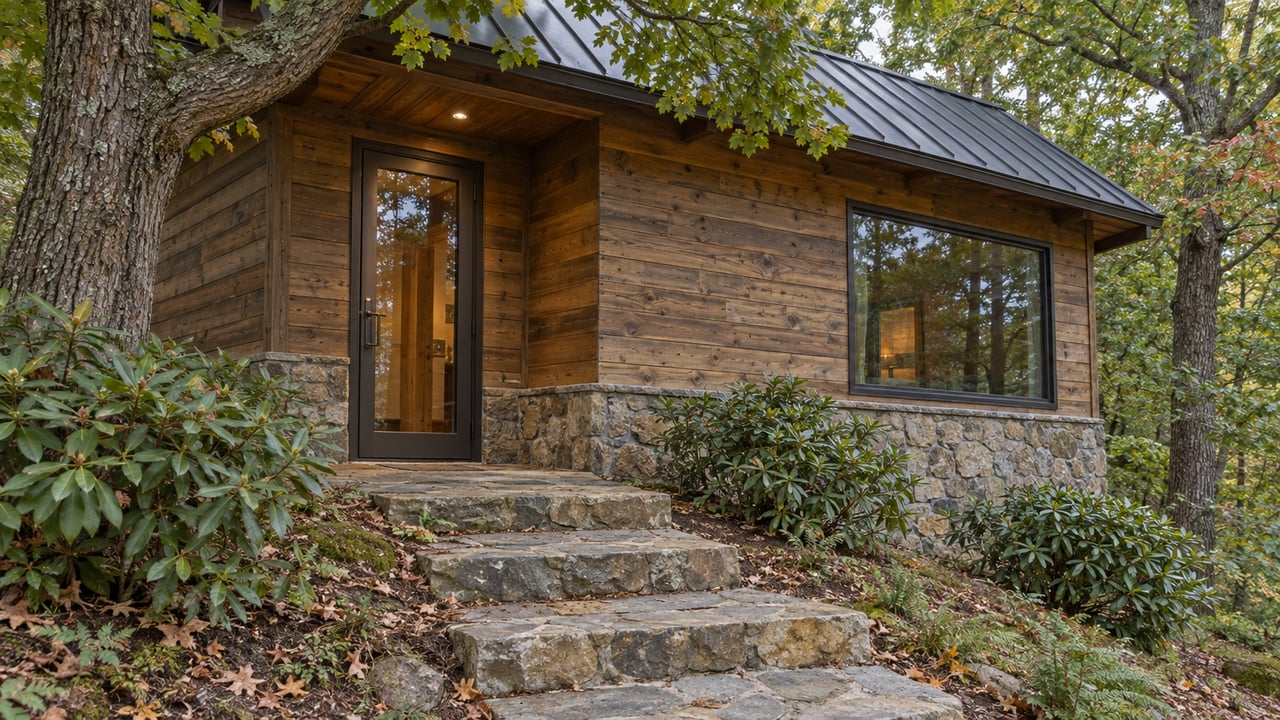
- Entry 1–2 bedroom cabins, often turn‑key STRs: roughly $300k–$500k.
- Mid‑range 2–4 bedroom cabins or newer resort builds: roughly $500k–$900k.
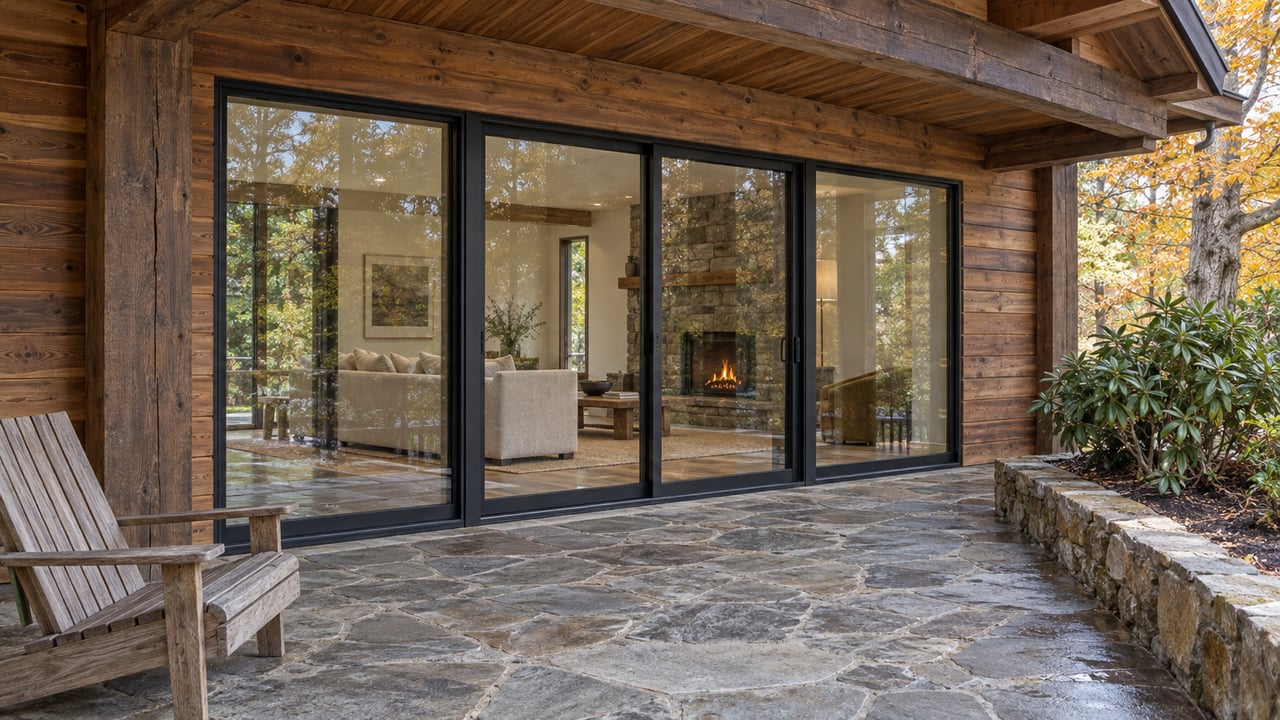
- Large luxury cabins with pools or high guest capacity: roughly $900k–$2M+. These brackets mirror active MLS examples in Sevierville and nearby resort areas.
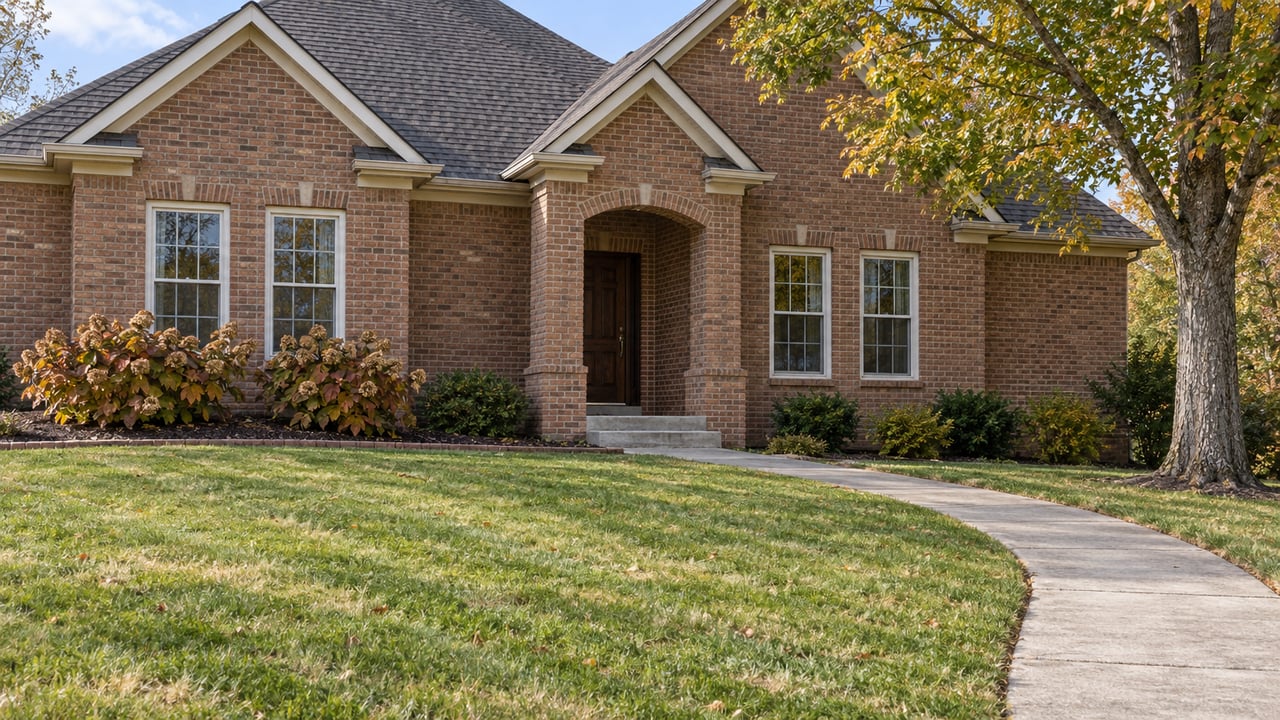
City and suburban homes in Sevierville overlap the mid and upper tiers. You will often find more conventional layouts, garages, and neighborhoods with municipal services. Price per square foot can be lower than comparably sized view cabins, especially once you factor in the premium for mountain views and guest amenities.
Rental income potential
If you want personal enjoyment plus rental income, the Smokies offer strong traveler demand. Great Smoky Mountains National Park has seen roughly 12–13 million visits per year in recent years, which anchors year‑round traffic to Sevierville and the Parkway attractions.
Short‑term rental performance in the Gatlinburg, Pigeon Forge, and Sevierville area trends toward mid‑to‑high occupancy, often in the mid‑50s to mid‑60s percent annually. Average daily rates commonly run in the $250–$400+ range, with Sevierville’s larger, high‑amenity cabins frequently achieving higher ADR and RevPAR. Typical gross revenue for whole‑home cabins often falls in the $40k–$80k band, with luxury, high‑capacity properties exceeding that. Actuals vary widely by address, floor plan, amenities, and management.
Seasonality is real and predictable. Peaks arrive in early summer, late summer through fall leaf season, spring breaks, and holiday periods from Thanksgiving through New Year. Off‑peak mid‑weeks and some winter months are lighter. Smart pricing, targeted marketing, and guest‑friendly amenities help smooth demand.
What this means for you: if rental income is a major goal, focus on a layout with multiple sleeping areas, enough bathrooms, parking, and high‑value features like a hot tub or game space. Documented rental histories and clean P&Ls add confidence for you and your lender.
Rules, permits, and taxes
In Sevier County, regulations differ inside Sevierville city limits versus unincorporated county areas. Before you write any pro‑forma, confirm which jurisdiction applies to the parcel.
City of Sevierville permits. Operating a short‑term rental inside city limits requires an annual Short‑Term Rental Operational Permit and a life‑safety inspection through the Fire Prevention Bureau. Make sure the property can meet inspection standards and that you understand renewal steps and any occupancy limits.
Sevier County permits. In unincorporated areas, the county’s Short‑Term Rental Unit program, effective January 1, 2024, requires an annual permit and safety inspection. Fees are published and can include occupancy‑based components. Operating without a permit can trigger enforcement, so verify the parcel’s status and fee schedule before you close.
Taxes and remittance. Tennessee applies state and local sales tax to lodging, with many localities landing near a combined 9.75 percent. The City of Sevierville also levies a 3 percent lodging tax within city limits. Some marketplaces collect and remit certain taxes by law, but owners are still responsible for registration and verifying that all required local taxes are being paid correctly. Recent state guidance, effective July 1, 2025, also changed how the first 30 days of some stays are taxed, so confirm the current rules with your filings.
Bottom line: your underwriting should include permit fees, inspection costs, and a compliance cushion for any upgrades required to pass life‑safety checks.
Financing basics
How you plan to use the property drives your loan options and down payment.
FHA loans. FHA financing is for primary residences only. You must intend to move in within 60 days and live there for at least 12 months. FHA is not suited to a vacation cabin operated primarily as a short‑term rental.
Conventional second home vs investment. Fannie Mae and Freddie Mac treat second homes differently from investment properties. Second homes often qualify with lower down payments, commonly around 10 percent, while investment properties usually require 15 to 25 percent down with higher rates. Lenders verify occupancy intent and may allow a portion of documented rental income on investment loans.
If you want both personal use and steady STR income, talk with a mortgage pro early about how your target property will be classified. It is better to structure the loan correctly than to assume a lower‑down option that does not match your intended use.
Ownership costs compared
Cabins and city homes feel different to own. Mountain properties can have higher exterior and systems upkeep, while in‑town homes often deliver lower friction and more predictable utilities.
Utilities and access
Many cabins rely on well and septic systems and sometimes propane for heating or cooking. Steeper driveways and private roads can add winter or heavy‑rain considerations. In‑town homes typically have municipal water and sewer, standard electric service, shorter plow times, and simpler driveways. Reliable high‑speed internet is increasingly a booking filter for guests, so verify availability at the address, especially in outlying areas.
Recurring maintenance
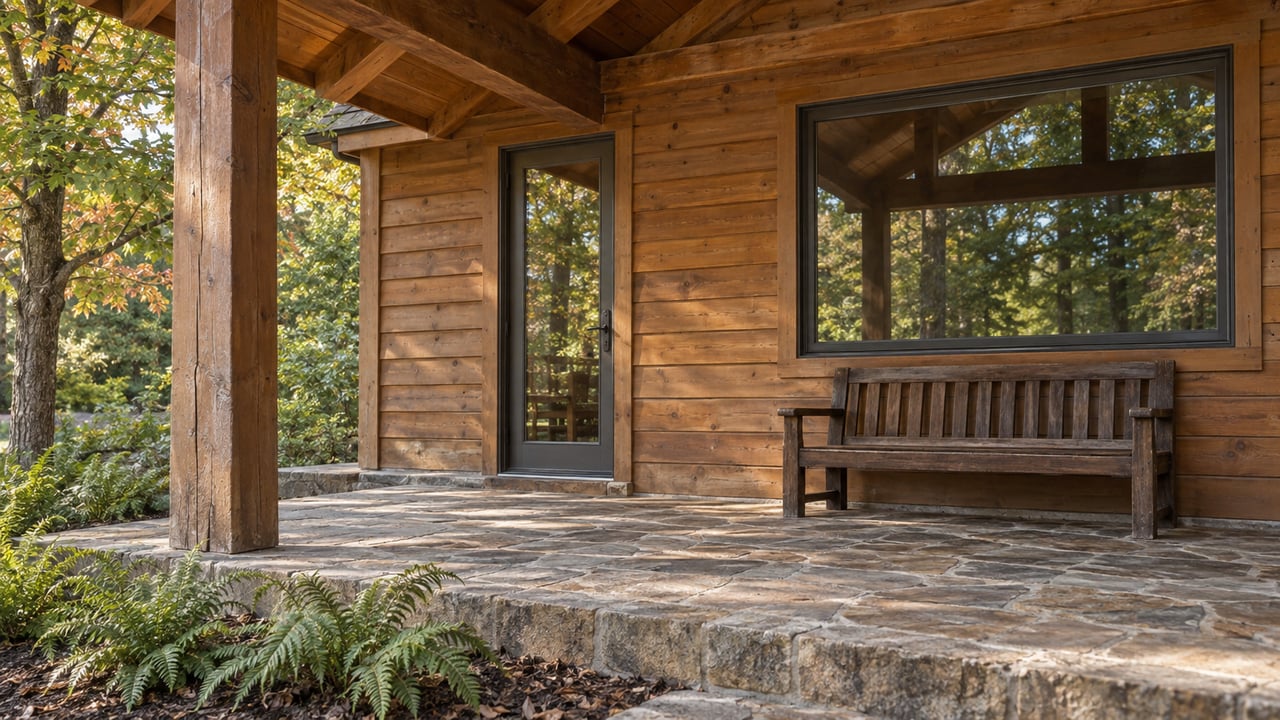
Wood cabins and large decks demand more frequent sealing, staining, and inspections. Common line items to budget for include:
- Septic pumping every 3–5 years, with per‑service costs that vary by tank size and access.
- Well equipment repairs or pump replacement if applicable, which can run from hundreds to a few thousand dollars depending on depth and type.
- Deck sealing or staining on a 2–4 year cycle, with per‑square‑foot pricing that adds up on wraparound decks.
- Annual chimney and fireplace service for wood‑burning units, plus repairs if needed.
- Proactive roof inspections, since tree cover and mountain weather can shorten roof life.
- Pest and termite prevention on any wood structure, with annual inspections a best practice in Tennessee.
City homes often have smaller exterior maintenance loads and easier contractor access. That said, every property needs reserves. A simple rule is to set aside 5 to 15 percent of gross rental revenue for maintenance on a cabin that sees guest turnover.
Insurance and liability
Standard homeowners insurance can exclude or limit coverage for business activity like recurring short‑term rentals. If you plan to host guests regularly, discuss your operating plan with your insurer and secure a landlord or STR‑specific policy or endorsement. Platform‑provided protections are not a substitute for primary coverage.
Management and operations
Full‑service STR management in the Smokies commonly charges about 15 to 30 percent of gross booking revenue. Contracts can include onboarding or marketing fees, and housekeeping is typically billed by property size per turnover. If you plan to self‑manage, include software, quality control, and on‑call maintenance in your time and budget. Also include an annual line item for permits and safety inspections.
Who should buy what
Every buyer’s goals differ. Use these quick filters to match the property type to your lifestyle.
Families seeking convenience
- Favor city or suburban homes if you want municipal services, shorter response times, and straightforward routes to schools and daily errands. You can review Tennessee’s accountability pages for neutral performance data when comparing school districts.
- If a cabin is your dream, prioritize year‑round access, gentle drive grades, and layouts that work for children or anyone with mobility considerations.
Retirees prioritizing low maintenance
- In‑town homes or condos near services reduce upkeep and simplify access to healthcare and shopping.
- If you prefer a cabin, look at resort developments or HOAs that handle exterior maintenance and roads.
Hybrid users focused on income
- Confirm STR eligibility and permitting for the exact address. City and county rules differ, and compliance is enforced.
- Discuss loan classification up front. Decide early whether you will pursue a second‑home loan or an investment loan, since down payment, rates, and income treatment differ.
- Request 12–24 months of verified rental statements or calendar and ADR data before relying on pro‑formas.
- Build a full operating budget that includes management, maintenance reserves, insurance endorsements, and permit or inspection costs.
Your next steps
- Define your primary goal. Lifestyle, income, or a balanced mix. Rank what matters most: access, views, maintenance ease, or cash flow.
- Get pre‑approved the right way. Share your intended use with your lender and ask for both second‑home and investment scenarios so you can compare.
- Verify STR viability. For any cabin you like, confirm city or county permit requirements, safety standards, and expected annual costs.
- Underwrite by address. Use recent rental histories and neighborhood comps instead of market‑wide averages. Build a conservative and an optimistic pro‑forma.
- Walk the road and test the internet. Check driveway grade, parking, and connectivity in person. Guest experience and owner comfort depend on both.
When you are ready to compare live listings and real numbers, connect with a local operator‑agent who works these deals every day. You will get faster answers, cleaner underwriting, and a smoother path from offer to keys.
Ready to explore Sevierville cabins and in‑town homes with a clear plan? Reach out to Kelly White for listings and investment insights tailored to your goals.
FAQs
What is the current median home price in Sevier County?
- As of January 2026, Redfin reports a Sevier County median sale price around $447,275, but Sevierville city medians vary by listing mix and source.
How strong is short‑term rental demand in Sevierville?
- The area benefits from roughly 12–13 million annual visits to Great Smoky Mountains National Park, with mid‑50s to mid‑60s percent occupancy and ADR often in the $250–$400+ range depending on property features.
What permits do I need to run an STR in Sevierville?
- Inside city limits you need a Short‑Term Rental Operational Permit with a life‑safety inspection; in unincorporated county areas you need the county STRU permit and inspection, both renewed annually.
How are lodging stays taxed in Sevierville?
- Expect state and local sales tax near a combined 9.75 percent, plus a 3 percent city lodging tax inside Sevierville; marketplaces may remit some taxes, but you must register and verify filings.
Can I use an FHA loan to buy a rental cabin?
- FHA loans are for primary residences, with an occupancy requirement to move in within 60 days and live there for at least 12 months, so they are not suited to primarily short‑term rental use.
What down payment do I need for a second home versus an investment?
- Conventional second‑home loans often allow about 10 percent down, while investment properties typically require 15 to 25 percent down with higher rates and reserve requirements.
What ongoing costs are higher for cabins than city homes?
- Cabins often have additional exterior and systems maintenance like deck sealing, chimney service, roof checks, and possible well and septic care, plus STR insurance endorsements and management fees.