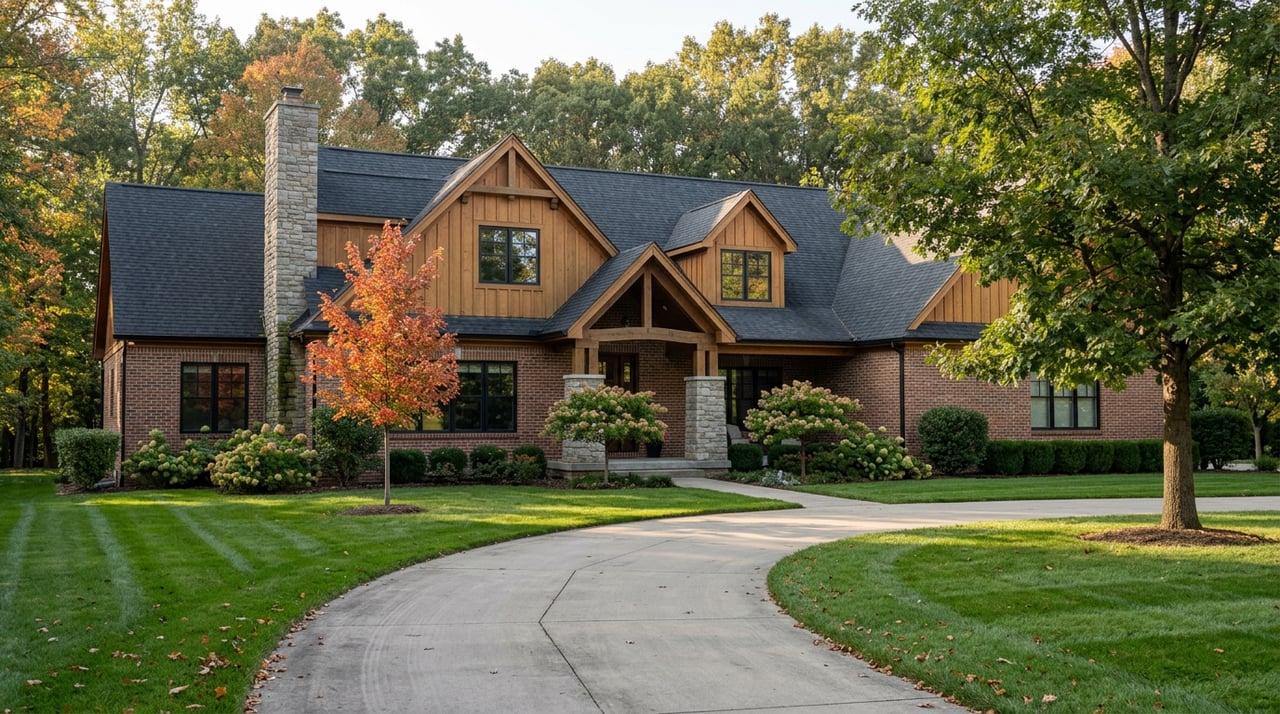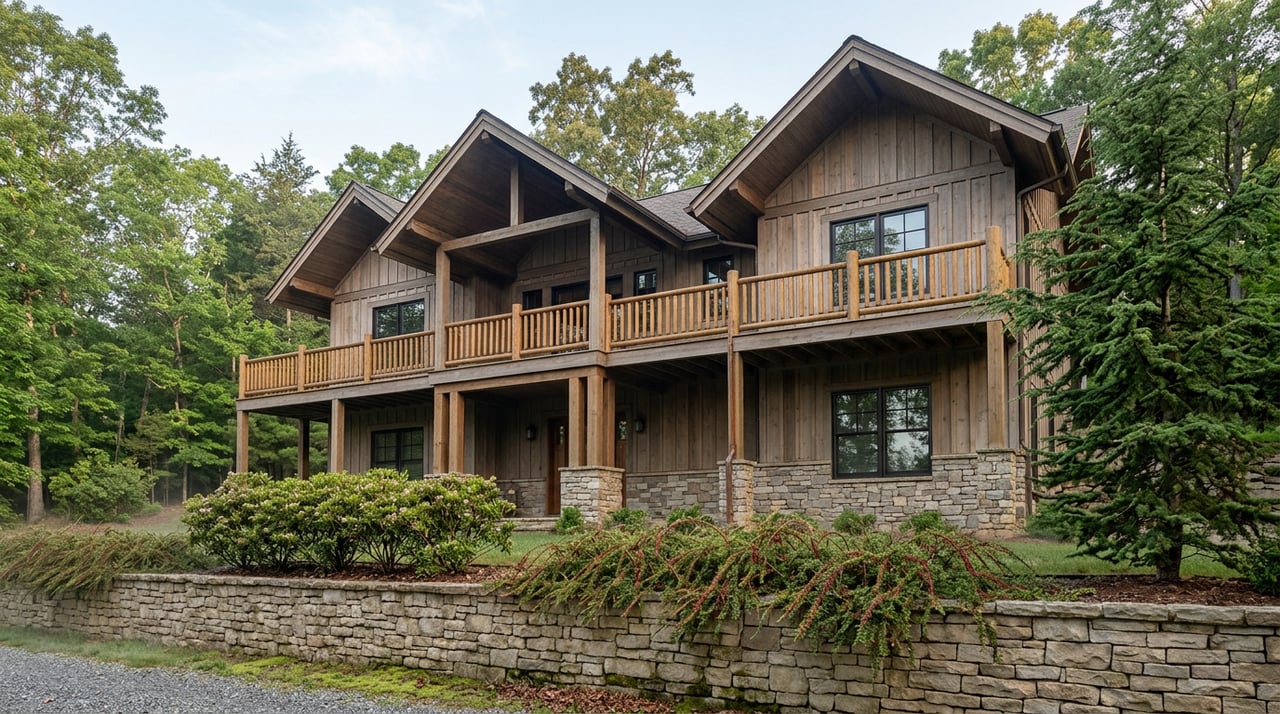
Two cabins sit half a mile apart in Pigeon Forge. Same square footage, same number of bedrooms, same five years of steady Airbnb bookings pulled straight from the host dashboard. A buyer comparing them on paper would call it a coin flip. It isn't. One of those cabins can keep renting the day after closing. The other one might not be allowed to accept a single guest again, and the difference has nothing to do with the house itself.
It comes down to a zoning line most buyers never think to ask about until they're already under contract, and a detail buried in state law that erases a cabin's rental history the moment the deed changes hands.
The Cutoff Date That Still Runs The Zone
Pigeon Forge added Section 511 to its zoning ordinance in 2018, and it drew a hard line for the city's R-1 district. A residence in R-1 can only operate as a short-term rental if it was already being used that way on or before August 13, 2018. Anything not renting before that date doesn't get a new permit in R-1, full stop. New short-term rental investment in the city is steered instead toward R-2 and higher zoning classifications, where the restriction doesn't apply.
That single date is doing more work than most listing sheets let on. A cabin's recent rental income means very little if the parcel sits in a zone where the city stopped issuing new permits more than eight years ago. The property might have been quietly grandfathered in. Or it might have been built or converted after the cutoff and simply never gotten caught, which is a different and riskier situation entirely.
The Detail That Resets At Closing
Here's the part that catches experienced investors off guard, not just first-timers. Tennessee's Short-Term Rental Unit Act protects a property's legacy status once it qualifies, but that protection is tied to continuous operation, not to the building. Legacy status ends the day a property is sold or transferred. It also lapses after 30 consecutive months without use as a short-term rental, or after three or more documented violations of local ordinance.
Read that first part again, because it's the whole thesis of buying a rental cabin here. A cabin with fifteen years of grandfathered rental history in a zone that no longer permits new short-term rentals is not something you inherit when you buy it. You inherit the house. The rental eligibility resets, and if the zone doesn't allow new permits, the trailing income on the listing becomes a historical fact about the previous owner, not a forecast for you.
This is exactly why Pigeon Forge's own permit paperwork spells it out in plain terms. The city's ordinance sets the STR permit fee at $300 to apply and $100 a year to renew, and states that the permit itself is valid for one calendar year, is non-transferable, and becomes void when ownership changes. That last clause is the one worth reading twice before you write an offer on anything advertised with an established rental track record.
What Actually Triggers Commercial Code
Zoning decides whether you can rent at all. Size decides how you have to build.
Pigeon Forge requires any structure used for overnight rental to meet R-1 hotel and motel building standards, including sprinklers, formal exit counts, and specific guardrail heights, once it crosses any of four thresholds: more than 5 sleeping rooms, 12 or more occupants, more than 5,000 square feet of gross area including decks, or more than 3 stories. Cross any one of those lines and the plans also need to carry the seal of a Tennessee-registered architect or engineer, not just a contractor's signature.
This is where the big-group cabins that look like the best investment on paper can quietly become the most expensive to build or renovate correctly. A ten-bedroom lodge sleeping 24 guests is exactly the kind of property that pencils out well on a spreadsheet and then runs into commercial-grade construction costs the moment someone pulls the actual zoning file.
| R-1 Zoning | R-2 and Higher | |
|---|---|---|
| New STR permits | Only if operating before August 13, 2018 | Generally open to new investment |
| Legacy status on sale | Ends at transfer of ownership | Not applicable, since new permits are issued directly |
| Commercial code trigger | Same four thresholds apply citywide | Same four thresholds apply citywide |
The Occupancy Math Before You Model Revenue
Once a cabin clears the zoning and building hurdles, Pigeon Forge caps who can actually stay there. Occupancy runs at two transient guests per bedroom plus two additional guests, with a hard ceiling of 12 people per property regardless of size. A seven-bedroom cabin doesn't get you past that number. Model your nightly rate assumptions against the 12-person cap, not against how many beds a floor plan could theoretically fit.
Applications for the permit itself go through the city's Community Development office on Rena Street, and every property needs a fire and safety inspection before that permit is issued or renewed, covering smoke alarms, escape routes, electrical safety, carbon monoxide detectors, and stair handrails.
What The Trailing Numbers Actually Say
Once you've confirmed a cabin can legally rent under your ownership, the next question is what a realistic year looks like. Market data covering active Pigeon Forge listings from April 2025 through March 2026 puts average annual revenue at $51,084, with an average daily rate of $352, occupancy at 44.1 percent, and revenue per available night at $159.
Those aren't flat numbers across the calendar. The city's own lodging dashboard breaks occupancy out by season at 59 percent in spring, 68 percent in summer, 66 percent in fall, and 49 percent in winter. That's a 19-point swing between the best and worst quarters, which matters more for cash flow planning than the annual average does. A cabin bought on the strength of a strong summer showing can still run a lean February, and your reserve fund should be built around the 49 percent winter figure, not the 68 percent summer one.
The same dashboard reports an average stay length of 2.4 nights as of its July 2025 reading. Short stays mean frequent turnover, which means cleaning costs and guest communication happen more often per booked night than in markets where guests stay a full week. Factor that into your management budget rather than assuming a flat per-booking cost.
The Checklist Before You Write An Offer
- Confirm the parcel's zoning directly with Pigeon Forge Community Development. A mailing address on the Parkway doesn't tell you the zone.
- If the cabin sits in R-1, ask for documentation proving continuous operation before August 13, 2018, not just a verbal assurance from the seller.
- Assume legacy status does not transfer with the sale. Verify what happens to the permit the day you close, in writing.
- Measure gross area including all decks against the 5,000 square foot threshold before assuming a large cabin avoids commercial code.
- Model revenue against the winter occupancy figure, not the annual average, when sizing your reserve.
- Check the property's HOA covenants separately. The city does not enforce private deed restrictions, so a legally permitted STR can still run into a homeowners association that prohibits it.
A Few Questions Worth Settling Early
Does a cabin's rental income history guarantee I can rent it too? No. Trailing income tells you what the property earned under continuous operation. It does not transfer the legal right to rent, which resets at closing and depends on the zone.
Can I convert an R-1 cabin that's never rented into a short-term rental? Not under current ordinance. New STR permits in R-1 are limited to properties that were already operating as such before August 13, 2018. New investment activity is directed toward R-2 and higher zones instead.
How much should I budget for the permit itself? The city's fee structure runs $300 to apply and $100 a year to renew, on top of city and county business licenses and the required safety inspection.
Zoning research is the kind of work that doesn't show up in a listing photo, but it's exactly the difference between a cabin that performs the way its history suggests and one that stops earning the day the paperwork changes hands. If you're comparing cabins in Pigeon Forge and want someone who checks the zone before you fall for the trailing revenue number, BuyWithKelly will walk the parcel with you before you write the offer. Reach out to receive listings and investment insights built around what a property can actually do under your ownership, not just what it did under the last one.