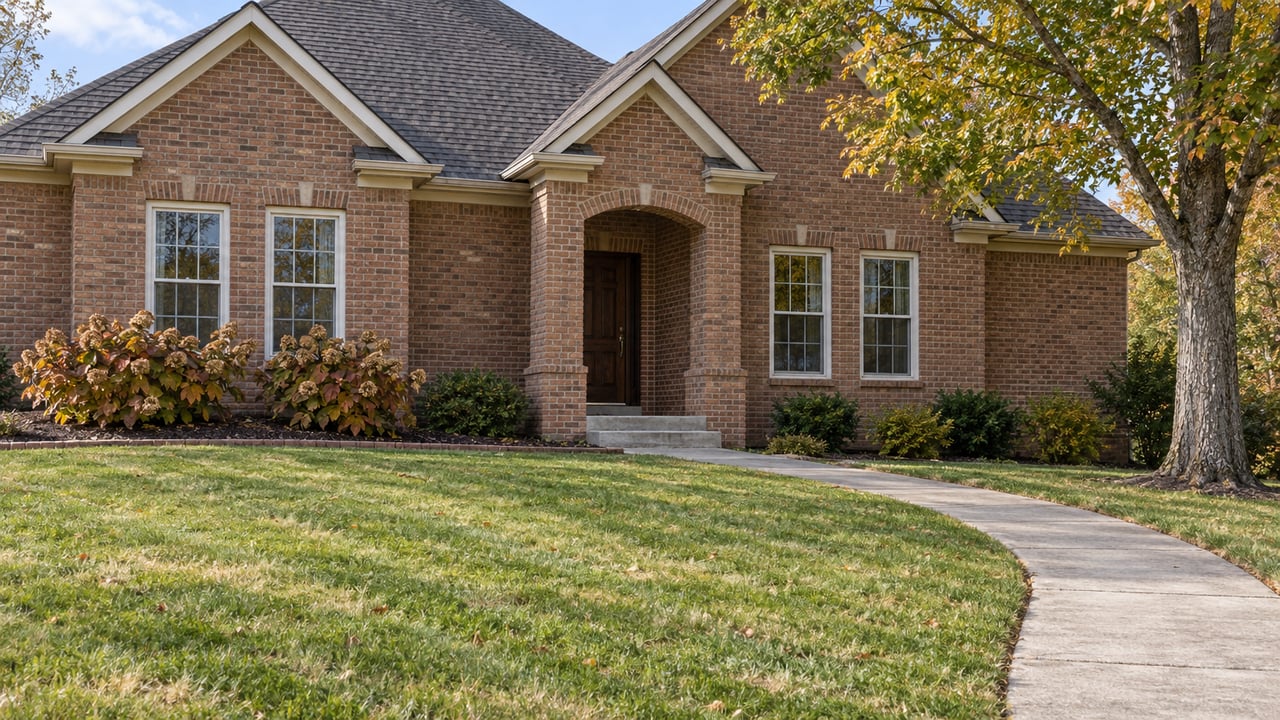
Closing day should feel exciting, not confusing. If you are buying in Jefferson City, you will see a stack of line items called “closing costs” that sit on top of your down payment. It is normal to have questions about what you are paying and why. In this guide, you will learn what closing costs include, how much to budget, how your loan type changes the total, and smart ways to lower your cash to close. Let’s dive in.
What closing costs cover
Closing costs are the fees and prepaids due at settlement in addition to your down payment. They pay for the loan, title work, county recording, and the escrow funds your lender needs to start your account.
You will see these grouped on your Loan Estimate and, later, your Closing Disclosure. The Loan Estimate arrives within three business days of application. The Closing Disclosure arrives at least three business days before you sign, and it shows your final cash to close.
Typical totals in Jefferson City
A practical starting point is to budget 2 percent to 5 percent of the purchase price for buyer closing costs, not counting your down payment. Your exact total depends on the loan program, interest rate, insurance and taxes, and which local providers you choose. Your Loan Estimate and Closing Disclosure are the authoritative sources for your numbers.
Line‑by‑line costs
Lender and appraisal fees
- Origination or lender fee, often 0.5 percent to 1 percent of the loan amount.
- Underwriting, processing, and document fees, commonly $300 to $1,000 combined.
- Appraisal, typically $400 to $800 for a single‑family home, based on property and scope.
- Credit report, usually $25 to $50.
- Discount points, optional fees you can pay to lower your interest rate.
- Rate lock fees may appear, depending on your lender and rate lock terms.
Tip: Shop two or three lenders. Fee structures and points vary, and a side‑by‑side look at Loan Estimates can save you money.
Title, settlement, and title insurance
- Title search and settlement (closing) fee, commonly $300 to $900 but varies by company.
- Lender’s title insurance policy, required when you have a mortgage and based on loan amount.
- Owner’s title insurance policy, optional but recommended, a one‑time premium based on purchase price that protects your ownership.
- Smaller items like a closing protection letter or courier fees may appear.
Local note: In Tennessee, closings are usually handled by title companies or closing agents. You can request quotes for title insurance premiums and settlement fees before you choose.
Government recording and transfer
- County recording fees for the deed and mortgage are charged by the Jefferson County Register of Deeds. Fees depend on the document type and page count.
- State or county transfer taxes can apply. Confirm exact amounts with the county Register of Deeds or the Tennessee Department of Revenue when you receive your preliminary settlement numbers.
Prepaids and escrow deposits
- Prepaid interest covers interest from your closing date to your first mortgage payment.
- Homeowners insurance is often collected for the first year.
- Property tax proration adjusts for who owes which portion of the current year’s taxes based on the closing date.
- Initial escrow deposit funds the lender’s tax and insurance account. Many lenders collect about two months of taxes and insurance to start the account, though policies vary.
- HOA dues or transfer fees may be prorated when the property is in a homeowners association.
Inspections, surveys, and contingencies
- General home inspection, commonly $300 to $800, paid before closing.
- Pest or termite inspection, sewer scope, well or septic inspection, or a survey may be required by your lender or recommended for due diligence.
- A repair escrow or holdback can be negotiated to address agreed repairs after closing if needed.
How your loan program changes costs
Conventional loans
- Private mortgage insurance (PMI) applies when you put less than 20 percent down. It can be paid monthly, upfront, or structured with lender credits in some cases.
- Seller concessions are allowed, with the maximum percentage tied to your down payment tier. Your lender will confirm current limits.
- Lender credits can reduce your cash to close in exchange for a slightly higher interest rate.
FHA loans
- FHA requires an upfront mortgage insurance premium that you can pay at closing or roll into the loan, plus monthly mortgage insurance.
- Seller concessions are allowed up to program limits, commonly cited as 6 percent of the sale price. Confirm current limits with your lender.
- Financing the upfront premium lowers cash at closing but increases the loan balance.
VA loans
- VA loans usually include a VA funding fee unless you qualify for an exemption. The amount depends on your service history and down payment and can often be financed.
- Seller concessions are allowed within VA limits. Your lender will outline which costs a seller can pay.
- VA loans often require no down payment, but you will still have prepaids and escrow deposits.
USDA loans
- USDA loans include an upfront guarantee fee and an annual fee built into your payment.
- Seller concessions are permitted up to program limits.
- Eligibility depends on the property location and income caps. Parts of Jefferson County may qualify, so verify property eligibility early in your search.
Jefferson County specifics to verify
- Jefferson County Register of Deeds: recording fee schedule, deed and mortgage filing steps, and any transfer taxes that apply.
- Jefferson County Assessor of Property: how assessed values are set and when they update.
- Jefferson County Trustee or Tax Collector: current property tax rates, billing cycles, and how taxes are prorated at closing.
- Local title companies: quotes for title insurance premiums and settlement fees so you can compare providers.
- Tennessee Housing Development Agency (THDA): first‑time buyer and down payment assistance programs that can help with closing costs if you are eligible.
Ask your lender and closing agent to confirm these items on your Loan Estimate and preliminary settlement statement, then verify again on your Closing Disclosure.
Budgeting and saving strategies
- Estimate total cash needs. Plan for down payment plus 2 percent to 5 percent in closing costs, plus inspection fees, moving expenses, and any immediate repairs.
- Compare lenders. Request Loan Estimates from two or three lenders for a clean, apples‑to‑apples comparison of rates, points, and fees.
- Request your Closing Disclosure early. You should receive it at least three business days before closing. Compare it to your Loan Estimate and ask about any changes.
- Negotiate seller concessions. Within your loan program limits, you can ask the seller to pay a portion of your closing costs and prepaids. This is common and can meaningfully lower your cash to close.
- Use lender credits. Taking a slightly higher interest rate in exchange for a credit can reduce your up‑front cash needs.
- Shop title and settlement services. You can often choose your title company. Fees and title insurance premiums vary by provider.
- Finance allowable costs. For example, FHA’s upfront mortgage insurance premium or a VA funding fee may be financed, which lowers cash due but increases your loan balance and payment.
- Explore THDA assistance. If you qualify, state programs can help with down payment and closing costs. Review the program rules before you apply.
Example cash‑to‑close snapshots
Below are illustrative scenarios to help you think about ranges. Your exact figures will depend on your lender, loan terms, insurance and taxes, and Jefferson County recording fees. Always use your Loan Estimate and Closing Disclosure for official numbers.
Example 1: Conventional with 5 percent down
- Purchase price: $300,000
- Down payment: $15,000
- Estimated buyer closing costs at 3 percent of price: $9,000
- Prepaids and escrow deposit: varies by close date and insurance, often several thousand dollars
Illustrative cash to close: down payment plus closing costs plus prepaids. In this example, a rough total could fall in the $24,000 to $27,000 range depending on taxes, insurance, and credits.
Example 2: VA loan with funding fee financed
- Purchase price: $300,000
- Down payment: $0 (typical for VA, if eligible)
- Funding fee: financed into the loan for this example
- Buyer closing costs plus prepaids: still required, often several thousand dollars
Illustrative cash to close: primarily prepaids, escrows, and standard fees. A rough range could be $4,000 to $8,000, depending on provider fees, taxes, insurance, and any seller concessions or lender credits.
How to verify your numbers
- Read page by page. Your Loan Estimate lays out the rate, payment, and cost buckets up front, then itemizes the fees. Your Closing Disclosure shows the final, locked‑in amounts.
- Compare LE to CD. If a fee increased or a new fee appeared, ask your lender or title company to explain. Some fees have tolerance rules that limit changes.
- Confirm payment method. Ask your closing agent about accepted funds and verify wire instructions by phone using a known, independent number. Wire fraud is a real risk, so always confirm before sending money.
Red flags and precautions
- Unverified wire instructions. Call your title company using a number you find and trust before wiring funds.
- Big last‑minute changes. If your cash to close jumps, ask for a line‑item explanation and a revised Closing Disclosure.
- Over the concession limit. Each loan program caps seller‑paid costs. Going over can trigger a loan denial or last‑minute restructuring.
Ready to buy in Jefferson City?
You do not have to guess at closing costs. With the right plan, you can compare lenders, tap seller concessions, and arrive at the closing table confident and prepared. If you want local guidance on fees, timing, and negotiation strategies tailored to your price point and loan type, connect with Kelly White for a clear path to your Jefferson City purchase.
FAQs
What are typical buyer closing costs in Jefferson City, TN?
- A common range is 2 percent to 5 percent of the purchase price, not including your down payment, with exact amounts shown on your Loan Estimate and Closing Disclosure.
How do FHA, VA, and USDA loans change closing costs?
- These programs add items like FHA’s upfront mortgage insurance, a VA funding fee, or a USDA guarantee fee, and each has limits on seller‑paid costs that affect your cash to close.
Who pays transfer or recording fees in Jefferson County?
- Recording and any transfer taxes are itemized on your Closing Disclosure; local custom varies, but your contract and loan program determine who pays what at closing.
Can a seller pay my closing costs in Jefferson City?
- Yes, within program limits; you can negotiate seller concessions toward your closing costs and prepaids, which your lender will cap based on loan type and down payment.
What is the difference between closing costs and prepaids?
- Closing costs are fees for the loan, title, and recording, while prepaids fund interest, taxes, and insurance that start your escrow account and first year’s coverage.
When will I know my final cash to close?
- You will receive a Closing Disclosure at least three business days before settlement showing the final cash to close; review it and ask your lender to explain any differences from the Loan Estimate.