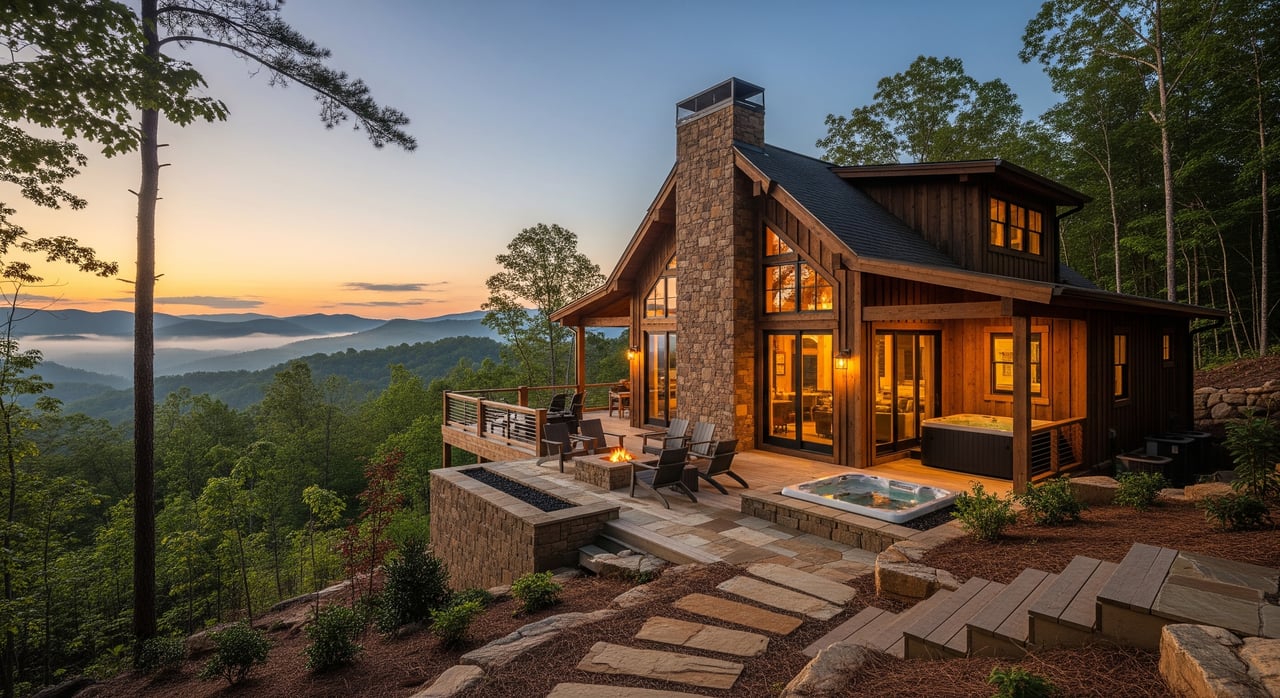
Thinking about a Gatlinburg cabin for weekend escapes or rental income? You are not alone. The Smokies draw steady demand, but every neighborhood feels different from the next ridge over. In this guide, you will learn how each setting lives day to day, what roads and seasons mean for access, and the key rules and risks to understand before you buy. Let’s dive in.
Neighborhood types in Gatlinburg
Downtown and valley cabins
If you want walkability, downtown and valley locations near the Parkway put you close to restaurants, attractions, and shops. Lots are often smaller with less privacy and more traffic. You trade quiet for convenience and strong short‑term rental demand. Parking can be limited or paid, so plan guest logistics carefully.
Mid‑elevation ridgelines
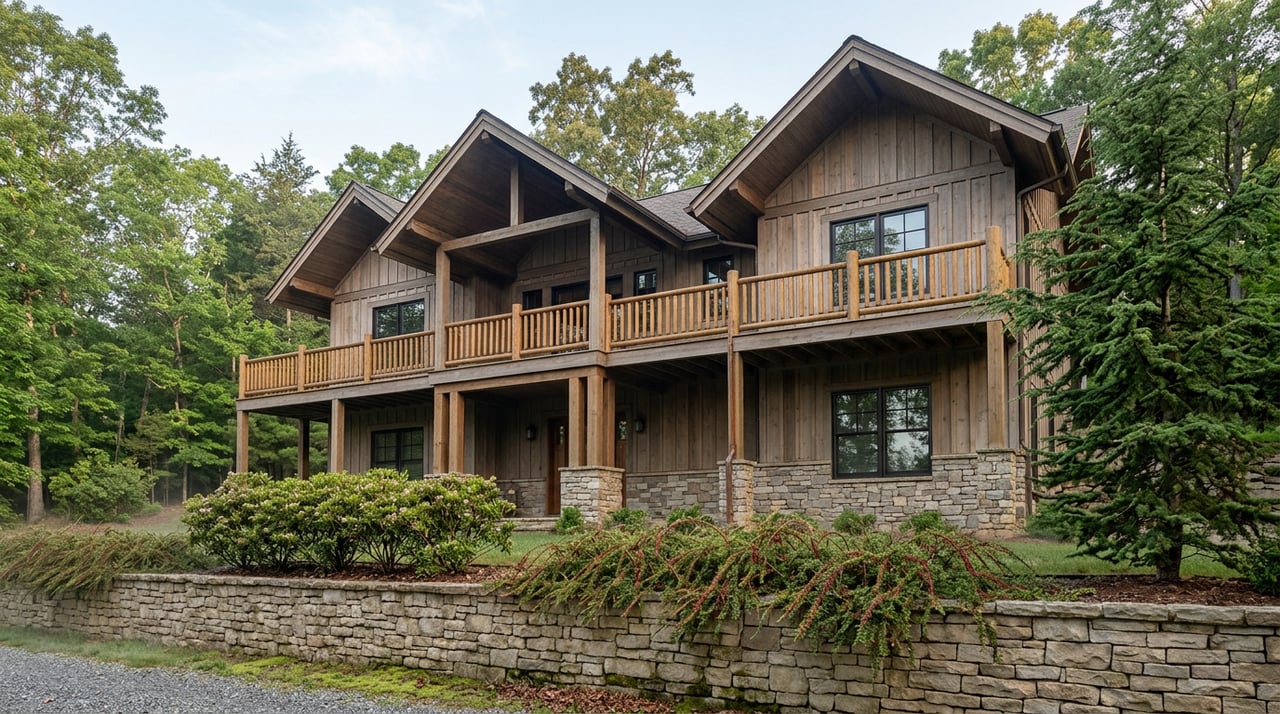
These are the classic “Smokies cabin” settings 5 to 25 minutes from downtown. You get wider views, more privacy, and easy access to town when you want it. Roads can be steep with switchbacks, and some driveways are tight. This is a good balance for owners who want views without long back‑country drives.
High and remote cabins
High‑elevation or far‑out cabins deliver maximum seclusion and starry nights. Lots are larger and roads are often single lane or private. Winter access can be a factor, so plan for seasonal driving and possible snow or ice removal. If you prize quiet and do not mind a longer drive, this setting fits.
Creekside and valley bottoms
Cabins along creeks offer scenic views and easier, flatter access. You should still evaluate flood or erosion risk and understand how this impacts foundations and insurance. Check the site’s elevation relative to the water and review any prior drainage work. A careful inspection can save future headaches.
Planned and gated communities
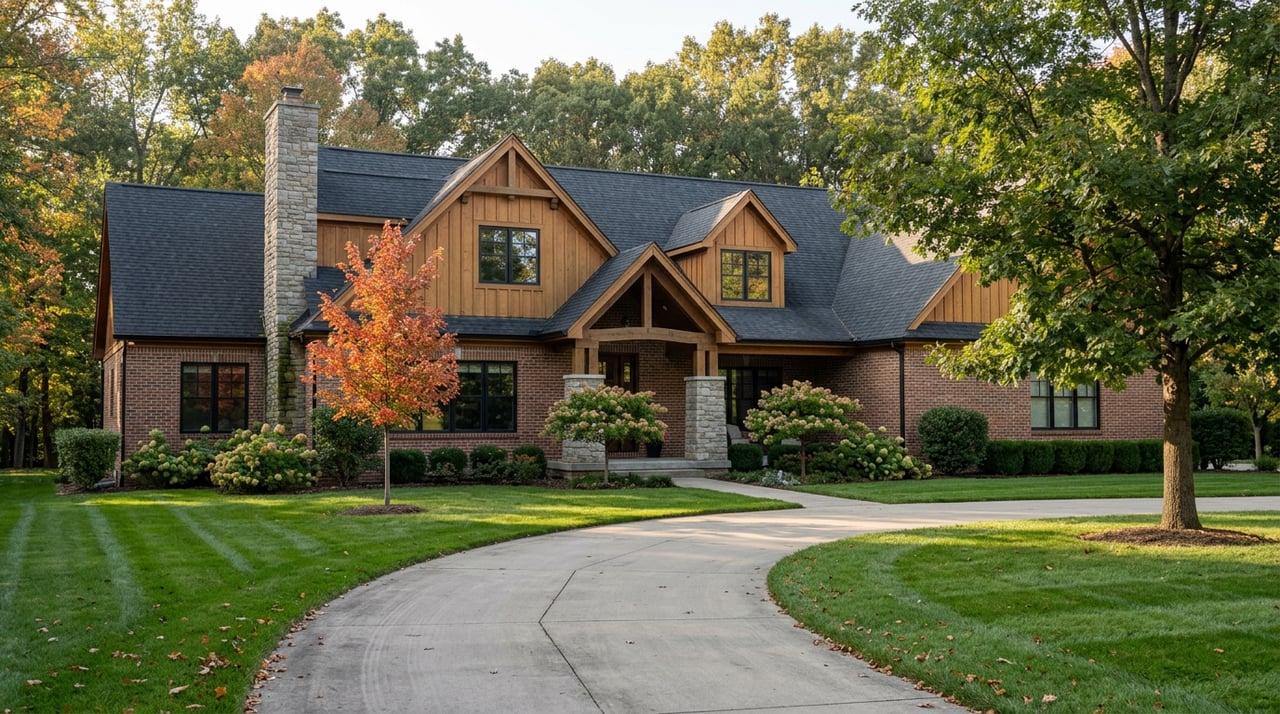
Many buyers like the simplicity of paved roads, shared amenities, and design standards. Some communities have HOAs with rental and exterior rules. You may find pools or clubhouses that boost guest appeal. These settings often offer easier year‑round access and centralized maintenance.
Condo and STR complexes
Condo units can be turnkey with lower maintenance and strong rental appeal, but privacy and views are limited. Parking is often shared and may have restrictions. These properties work well if you want a small footprint and a straightforward guest experience.
How the National Park shapes life
Great Smoky Mountains National Park borders Gatlinburg and influences both demand and neighborhood character. Areas close to park boundaries and trailheads see more visitor traffic and higher desirability. The Park also limits future development across its boundary, which preserves the natural backdrop. For context and planning resources, visit the National Park Service’s Great Smoky Mountains page.
What daily life feels like
Peak vs. off‑peak seasons
Summer, fall foliage, spring wildflower season, and holiday periods bring lively streets, busy trailheads, and heavier traffic. Weekends are busy most of the year. Off‑peak weekdays and winter can be very quiet, especially in ridge or remote areas. Plan your travel times and guest check‑ins around known rush periods.
Convenience vs. privacy
Closer to downtown, you get fast access to dining, groceries, and attractions. You also accept more noise and parking pressure. Up on the ridges, you trade convenience for solitude and views. Choose based on how often you will visit, how you plan to rent, and how much time you want to spend driving.
Noise, traffic, and parking
Downtown cabins and condos may have limited or paid parking, which can affect guest reviews. Mountain cabins usually offer off‑street parking, but steep driveways reduce usable space for multiple vehicles. Provide clear guest instructions to prevent towing or blocked access.
Roads, seasons, and practical access
Driving and winter readiness
Gatlinburg connects to Sevierville and Pigeon Forge by winding mountain highways and the Parkway. Expect narrow, steep roads and occasional switchbacks, especially near ridge and summit properties. Ice and snow can affect higher elevations for short periods. Many owners contract for snow or ice removal and keep clear check‑in notes for guests with 2WD vehicles.
Utilities and internet
Central Gatlinburg often has municipal water and sewer, while remote areas rely on wells and septic. Confirm system age, capacity, and maintenance records before you buy. Internet and cell coverage vary by elevation and tree cover. Valleys and condos often have cable or DSL, while remote areas may use satellite or fixed wireless. Set guest expectations if service is limited.
Airport and regional services
McGhee Tyson Airport near Knoxville is typically a 1 to 1.5 hour drive, depending on traffic. Most grocery, medical, and repair services cluster around Gatlinburg, Pigeon Forge, and Sevierville. Late night and holiday hours can be limited, so plan deliveries and vendor visits ahead of time. For visitor calendars and events that can affect traffic, check Visit Gatlinburg and Visit Sevierville.
Short‑term rental basics
Jurisdictions and permits
Rules vary by whether a property is inside Gatlinburg city limits or in unincorporated Sevier County. Licensing, occupancy limits, inspections, and safety requirements can differ. Start with the City of Gatlinburg’s official site for city rules and the Sevier County government site for county rules. Confirm zoning, allowable use, and any registration steps before making an offer.
Taxes and compliance
Short‑term rentals are typically subject to state sales tax and local lodging or occupancy taxes. Registration and remittance requirements vary by jurisdiction. Review guidance from the Tennessee Department of Revenue and verify local processes with the city or county. Align your pricing and accounting systems so taxes are collected and paid on time.
Income seasonality and management
Peak months can drive a large share of annual revenue, while shoulder seasons may require rate adjustments. Location matters. Proximity to downtown, park access, and popular amenities like views and hot tubs influence occupancy. Full‑service management often costs 20 to 40 percent of gross rental revenue depending on the service level. Budget for cleaning, maintenance, utilities, insurance, and property management technology.
Financing and resale
Some lenders apply stricter underwriting for properties with heavy STR use, steep access, or remote locations. Terms can differ for second homes versus investment properties. On resale, buyer pools vary. Some buyers want proven rental performance, while others prioritize privacy and personal use. HOA rules and local STR ordinances will affect long‑term value.
Environmental and safety realities
Bears and trash management
Black bears are common in the Smokies. Proper trash storage and guest education are essential across many neighborhoods. In some areas, bear‑resistant containers or specific collection schedules are standard practice. Share wildlife guidance and safety basics with guests. For context and park advisories, review the NPS Great Smoky Mountains resources.
Water, flood, and slope risks
Creekside lots can face flash flood or bank erosion risk. Steep slopes may require engineered foundations or retaining walls. Ask for septic records, well permits, and any geotechnical or engineer reports on steep sites. You can screen flood risk with the FEMA Flood Map Service Center, then follow up with site‑specific due diligence.
Fire and emergency access
Wildfire risk exists and defensible space is still smart practice in forested settings. Keep driveways accessible for emergency vehicles and confirm visible address markers. Add lighting, railings, and clear safety signage around decks, stairs, and hot tubs.
Insurance and liability
Not all homeowner policies cover short‑term rentals. Many owners secure a specialized STR or commercial policy that addresses guest occupancy and higher turnover. Mountain hazards such as steep drop‑offs, wildlife, and hot tubs increase liability. Install safety features, post clear rules, and review coverage limits with a qualified agent.
Quick checklist before you buy
- Confirm jurisdiction. Is the property inside Gatlinburg city limits or in unincorporated Sevier County?
- Verify STR eligibility. Check license, inspection, and occupancy rules for the address.
- Model revenue seasonality. Compare peak and shoulder seasons and plan cash flow.
- Inspect access. Assess road grades, driveway width, winter exposure, and parking capacity.
- Review utilities. Identify municipal vs. well and septic, internet options, and cell coverage.
- Evaluate hazards. Check flood maps, drainage patterns, slope stability, and any engineer reports.
- Estimate operating costs. Include management fees, cleaning, maintenance, insurance, and snow or ice removal.
- Plan guest logistics. Write clear driving, parking, trash, and wildlife instructions.
Where an expert helps
The Smokies reward informed decisions. A local advisor who understands both lifestyle value and rental operations can help you balance access, views, and year‑round performance. As an active overnight‑rental operator and high‑volume Sevier County agent, Kelly blends on‑the‑ground insight with transaction execution so you can buy with confidence.
Ready to see which Gatlinburg neighborhoods fit your goals? Reach out to Kelly White to receive listings and investment insights tailored to your plan.
FAQs
What is the best Gatlinburg area for both privacy and access?
- Mid‑elevation ridgelines often balance views and privacy with 5 to 25 minute drives to downtown, but the best fit depends on your daily routine and guest needs.
Do I need 4WD to reach cabins in winter?
- Many properties are accessible with careful driving, but higher elevations or steep driveways may require 4WD or timely snow and ice removal during winter weather.
Are short‑term rentals allowed in Gatlinburg city limits?
- Rules vary by location and can change, so verify current requirements with the City of Gatlinburg and Sevier County before you buy or list.
How reliable is internet and cell service in the mountains?
- Coverage is strong in many valley and central areas, while some ridge or wooded sites rely on satellite or fixed wireless and experience spotty cell signals.
What do management companies typically charge for STRs?
- Many full‑service providers charge roughly 20 to 40 percent of gross rental revenue depending on service level, with additional costs for cleaning and maintenance.