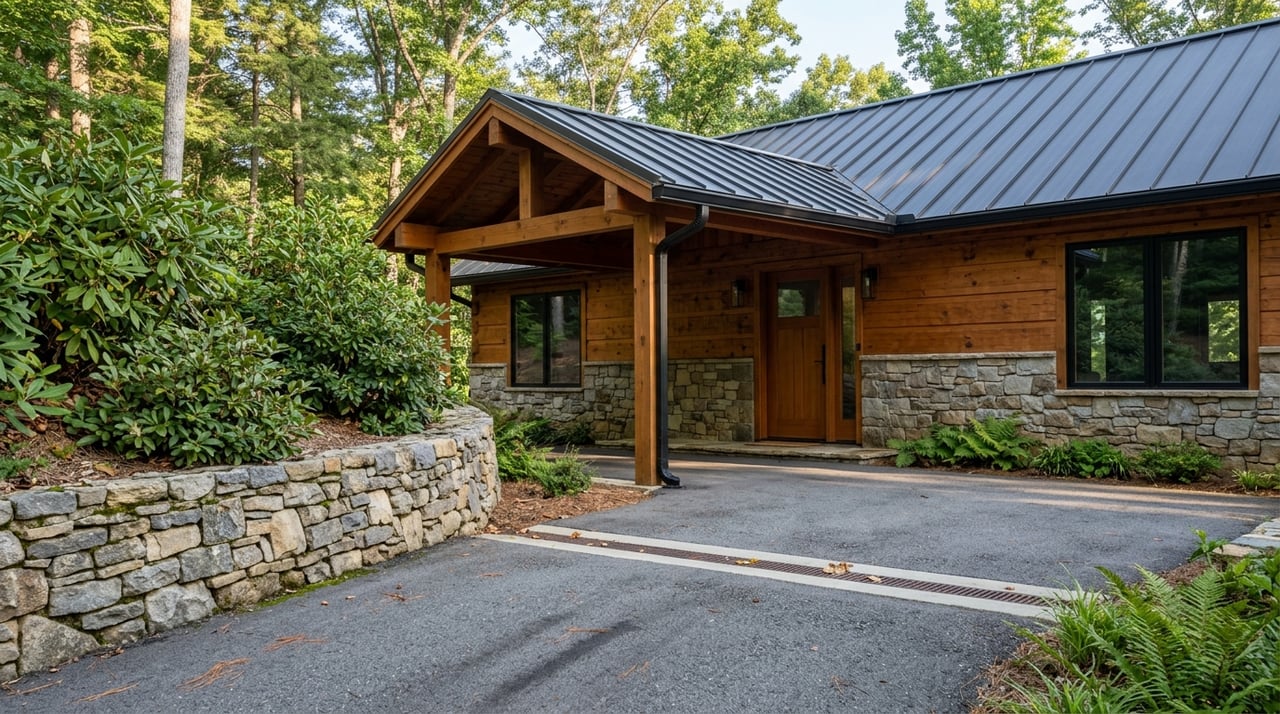
If you picture Gatlinburg cabin living as nothing but mountain views and peaceful mornings, you are only seeing part of the story. Where a cabin sits in Gatlinburg can shape your drive time, parking options, weather exposure, and even how easy it is to handle everyday tasks. If you are thinking about buying a primary home, second home, or cabin investment here, understanding that tradeoff can help you choose more confidently. Let’s dive in.
Why location works differently here
Gatlinburg is small in size but big in daily activity. The city covers 10.1 square miles, yet the overnight average population reaches 65,000, according to the city police department. In a market shaped this heavily by tourism, your daily experience depends less on a traditional neighborhood label and more on whether your property sits on a ridge, near a creek, or closer to downtown.
That matters even more because Gatlinburg sits at one of the main entrances to Great Smoky Mountains National Park. The park is open 24 hours a day, 365 days a year, and it does not charge an entrance fee, though parking tags are required for vehicles parked longer than 15 minutes. For many buyers, easy access to the park is part of the appeal, but the route to that access can look very different depending on where your cabin is located.
Gatlinburg is also a car-oriented market. The city trolley helps reduce in-town driving, but the National Park Service notes there is no public transportation to the park from major cities in the area. In real life, that means your road access, parking setup, and drive pattern matter more here than they might in other resort towns.
Ridge-top cabins and daily tradeoffs
What ridge-top living offers
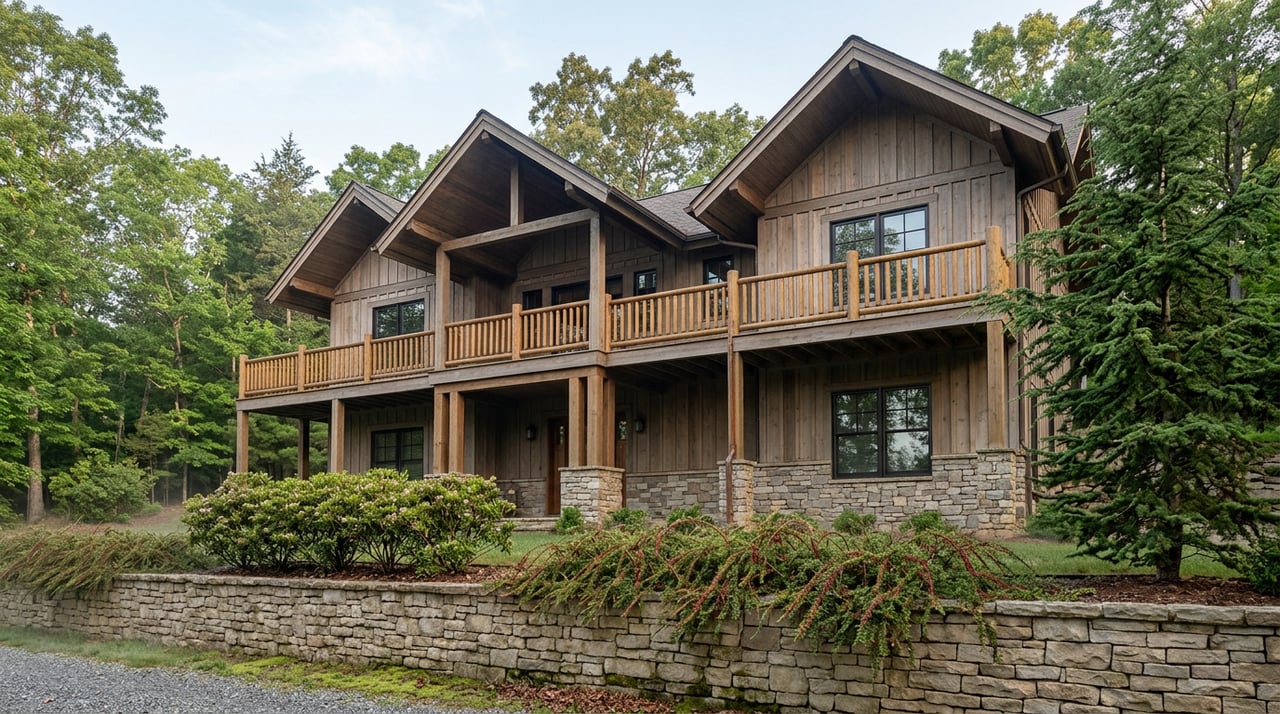
Ridge-top cabins are often the first properties buyers imagine. They typically offer wide mountain views, a stronger sense of privacy, and that elevated Smokies setting many people want from a cabin purchase. If your goal is scenery and separation, this type of location can be especially appealing.
For second-home buyers and vacation rental investors, those views can also be a major part of the property’s draw. A cabin with a broad outlook often delivers the kind of mountain experience people come to Gatlinburg to find. That lifestyle benefit is real, but so is the access side of the equation.
What to expect from access
Ridge-top properties often depend on steeper, winding roads. Gatlinburg’s street department maintains about 93 miles of city streets and clears roads during inclement weather, but the city has also had slope-related closures on roads such as Cherokee Orchard Road and Cliff Branch Road. In the Smokies, road conditions are not a minor detail.
The National Park Service also warns that road conditions and seasonal closures can affect travel in the broader area. So if you are considering a high-elevation cabin, it is smart to think beyond the view and ask how the drive feels in everyday conditions. A great showing-day drive and a workable year-round drive are not always the same thing.
Creekside cabins and a softer mountain feel
Why lower settings appeal to buyers
Creekside and lower-elevation cabins usually offer a different kind of mountain experience. Instead of wide-open ridge views, you often get a more sheltered setting with easy access to trees, water, and a quieter sense of enclosure. For many buyers, that can feel more relaxed and more practical for regular use.
These locations may also appeal to buyers who want the Smokies feel without some of the exposure that comes with higher elevation. The National Park Service says elevations in the park range from about 875 feet to 6,643 feet, and temperatures can vary by 10 to 20 degrees from the base to the summits. That can make lower settings feel more moderate from day to day.
How daily life may feel easier
Lower-elevation cabins are often easier to reach than ridge-top homes, though you should still verify the exact route for any property. Access is one of the biggest quality-of-life factors in Gatlinburg, especially if you plan to use the home often or expect guests to arrive throughout the year. A gentler drive can make a real difference.
Creekside settings can also connect well to the area’s outdoor lifestyle. Gatlinburg’s recreation system includes city waters with trout fishing, which adds another layer of appeal for buyers who want a property that feels tied to the natural setting. If you want a cabin that feels scenic without feeling remote, this category is often worth a close look.
Downtown cabins and convenience first
What you gain near town
Cabins and homes closer to downtown usually offer the easiest access to restaurants, shops, attractions, and city services. If you want to spend less time driving mountain roads and more time moving easily around town, this location style can be a strong fit. It can also be useful for owners who plan frequent stays and want a more predictable routine.
The Gatlinburg Trolley System serves four routes, including River Road, part of Ski Mountain Road, the Parkway corridor, East Gatlinburg, Cherokee Orchard Road, and the Arts and Crafts Community. That gives in-town owners another way to reduce driving during busy visitor periods. For some buyers, that convenience is a major lifestyle advantage.
What to keep in mind
The tradeoff is proximity to visitor activity. Gatlinburg’s tourism volume shapes traffic, noise patterns, and parking pressure, especially closer to the Parkway and downtown. If convenience is your top priority, this may be the right choice, but it usually comes with less privacy than a more tucked-away cabin setting.
Parking deserves extra attention here. The city provides municipal parking lots and park-and-ride facilities, but overnight and long-term parking are not allowed in city parking facilities. If you are buying near downtown, make sure the property itself has a parking setup that works for your household and guests.
Services that shape cabin life
Emergency and city services
One of Gatlinburg’s strengths is that it offers a strong municipal support system for a mountain town. The fire department provides emergency services 24 hours a day, year-round, and includes ALS ambulance service. The police department also provides full law-enforcement services 24/7.
That level of service matters when you are weighing in-town living against a more isolated mountain property. Access still affects response and convenience, but buyers often appreciate that Gatlinburg has year-round public service infrastructure in place. It adds a layer of practicality to cabin ownership.
Trash and wildlife management
Daily life here also includes some mountain-specific realities. The sanitation department performs residential and business trash pickup 364 days a year, and the city has adopted an animal-resistant dumpster program to reduce bear interactions. In Gatlinburg, waste storage is not just a housekeeping detail. It is part of living responsibly in a mountain environment.
This is one reason cabin buyers should look beyond finishes and views during showings. Ask how trash is stored, where pickup occurs, and whether the setup is easy to manage. These are simple questions, but they can affect how smooth ownership feels.
Roads, brush, and curb access
Gatlinburg’s street department handles potholes, sidewalks, storm drains, signs, right-of-way clearing, and snow or ice response. It also provides brush, junk, and leaf pickup when material can be placed near the road where crews can reach it. In a mountain market, curb access matters more than many buyers expect.
That is especially important for cabins on steeper sites or properties with longer drives. Before you buy, it helps to understand not just where the property sits, but how service vehicles actually reach it. A beautiful lot can come with practical limitations if access is tight.
Utilities and connectivity to verify
Water and wastewater
The city’s utilities department provides municipal water and wastewater services, but availability and capacity are reviewed parcel by parcel. That means you should verify utility service for the exact property rather than assuming every lot has the same setup. This step is especially important if you are comparing improved homes with vacant lots or planning future changes.
If a property looks ideal on paper, utility confirmation can help you avoid surprises. It is one of the simplest but most important parts of due diligence in Gatlinburg. Small differences at the parcel level can shape cost and usability.
Cell and internet service
Connectivity is another issue buyers should take seriously. The National Park Service says cell coverage inside Great Smoky Mountains National Park is extremely limited and, for the most part, non-existent. While a cabin in Gatlinburg is not the same as being deep inside the park, coverage can still vary enough that you should test it at the property.
If you work remotely, stream often, or plan to manage bookings from the cabin, do not rely on town-level assumptions. Test service on-site and ask specific questions about internet options. In the mountains, connectivity can change from one road or elevation to the next.
A smart checklist before you buy
Before you commit to a Gatlinburg cabin, make sure the property fits the way you actually plan to use it. A few practical checks can save you time and stress later.
- Confirm who maintains the road and whether city crews can reach the property.
- Verify parking for owners and guests, especially since city parking facilities do not allow overnight or long-term parking.
- Ask about water, sewer, and utility availability for the exact parcel.
- Test cell and internet service on-site if remote work or booking management matters.
- Check with the city’s Building and Planning Department if you plan renovations or a change in use.
- If park access is part of your lifestyle, remember that the park is open year-round, but road conditions still matter.
Matching the cabin to your lifestyle
The best Gatlinburg cabin is not always the one with the biggest view. It is the one that matches how you want to live, visit, or invest. Ridge-top cabins tend to favor scenery and privacy, creekside cabins often balance setting with easier access, and downtown-adjacent homes usually offer the most convenience.
That is why a local, property-by-property approach matters so much in this market. In Gatlinburg, daily life is shaped by roads, elevation, tourism, services, and access just as much as by the cabin itself. When you evaluate all of those pieces together, you can make a much smarter choice.
If you are thinking about buying or selling in Gatlinburg, or you want help finding a cabin that fits your lifestyle and investment goals, connect with Kelly White. Kelly brings local Sevier County knowledge and hands-on cabin market experience to help you move with confidence.
FAQs
What is daily life like in a Gatlinburg ridge-top cabin?
- Ridge-top cabin living in Gatlinburg often offers bigger views and more privacy, but it may also mean steeper, winding roads and more weather-related access concerns.
What is daily life like in a Gatlinburg creekside cabin?
- A Gatlinburg creekside cabin often feels more sheltered and may offer easier access than a ridge-top home, while still giving you a strong Smokies setting.
What is daily life like near downtown Gatlinburg?
- Living near downtown Gatlinburg usually means easier access to restaurants, shops, trolley routes, and attractions, but also more exposure to visitor traffic and less privacy.
What should you verify before buying a Gatlinburg cabin?
- Before buying a Gatlinburg cabin, you should verify road maintenance, parking, utility availability, cell and internet service, and any planning or building requirements tied to the property.
Does Gatlinburg have city services that support full-time or second-home living?
- Yes, Gatlinburg provides year-round emergency services, trash pickup, street maintenance, recreation amenities, and parcel-based utility review that can support both full-time and second-home ownership.
Is park access easy from every Gatlinburg cabin?
- No, park access depends on the cabin’s exact location, road conditions, and seasonal travel factors, even though Gatlinburg sits at one of the main entrances to Great Smoky Mountains National Park.