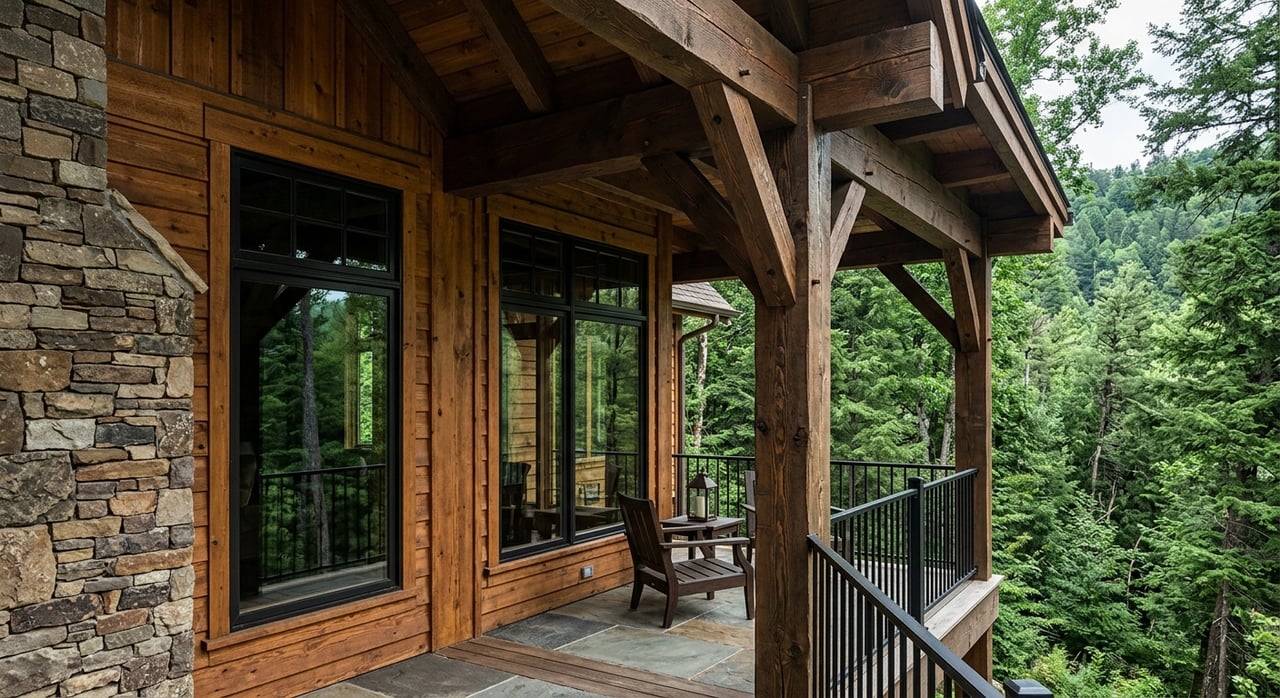
If you are shopping for a cabin in Pigeon Forge, one choice shapes almost everything else: Do you want quick access, attraction proximity, or a quieter mountain setting? Buyers often start with cabin style or view, but location usually ends up driving the day-to-day experience just as much. This guide will help you compare the main cabin area types in Pigeon Forge so you can narrow your search with more confidence. Let’s dive in.
Why location matters in Pigeon Forge
In Pigeon Forge, area choice is not just about a subdivision name. The city’s transit system and road layout show that Parkway-close areas, Dollywood-adjacent locations, and outlying valley or ridge settings function very differently from one another.
The city operates separate trolley routes for North Parkway, South Parkway, Dollywood, Gatlinburg Welcome Center, and Wears Valley. The Dollywood route is the shortest at 1.75 miles one way, North Parkway is 6.8 miles, South Parkway is 4.3 miles, and Wears Valley is 6.9 miles. Service frequency also varies, with about 20 minutes for Dollywood, 20 to 25 minutes for North and South Parkway, and about 1 hour for Wears Valley.
That matters because it gives you a practical picture of how these areas work. Some cabin locations are built around convenience and visitor access, while others trade that convenience for a more tucked-away setting.
Parkway-adjacent cabins
What this area feels like
The Parkway is the city’s main corridor through Pigeon Forge. City planning documents describe it as a three-lane corridor with sidewalks, a median, and turn lanes, with major connectors such as Teaster Lane, Old Mill Drive, Island Drive, and Dollywood Drive to Teaster Lane.
For buyers, that usually means central and convenient. It also means this is generally the least secluded cabin setting of the main options, based on the corridor design and service pattern.
Why buyers choose Parkway-close cabins
If you want easier access to dining, shopping, shows, and the city’s transit network, Parkway-adjacent cabins make a strong case. The North and South Parkway trolley routes run about every 20 to 25 minutes, which supports the idea that this part of town is built for movement and activity.
This area can work well for buyers who want to stay close to the middle of the action. It can also be a practical fit if you expect to spend a lot of time going back and forth to attractions, restaurants, or entertainment venues.
What to watch for
The tradeoff is exposure to traffic and peak tourism flow. The city notes that trolley times can be delayed during high-traffic days, car shows, holidays, and special events, which is a reminder that this corridor is sensitive to busy periods.
South Parkway can be a useful sub-area to understand. The route reaches places such as Pine Mountain Road, Mainstay Suites, the south city limits, and Dolly Parton’s Stampede, which helps show how close-in cabins relate to the Parkway spine.
Dollywood-adjacent cabins
Why this area stands out
For buyers focused on attraction access, Dollywood-adjacent cabins are often the clearest match. Dollywood is located at 2700 Dollywood Parks Blvd., and Dollywood’s Splash Country sits adjacent on Middle Creek Road. The resort campus also includes DreamMore and HeartSong next to the park.
This part of Pigeon Forge is built around direct access to one of the area’s biggest destinations. If that is your top priority, few locations make the value proposition as obvious.
Access advantages
The city’s Dollywood trolley route is the shortest route in the system and is scheduled about every 15 to 20 minutes, with service standards listing it at a 20-minute headway. Dollywood’s own directions route visitors through Traffic Light #8 and Dollywood Lane or Veterans Boulevard, which shows how directly the park connects into the local road network.
In simple terms, this is the area that best supports buyers who want to stay as close as possible to a major attraction hub. If you picture frequent park visits or easy attraction access, this location type deserves a close look.
Tradeoffs to consider
The likely tradeoff is more concentrated visitor flow, especially around park opening and closing times. That conclusion fits the road network around the park and the city’s note that traffic can affect transit timing during peak tourism periods.
For some buyers, that tradeoff is worth it. For others, it is a sign to look a little farther out for a calmer setting.
Ridge cabins and valley cabins
Why buyers love quieter settings
If your priority is views, privacy, or a more mountain-oriented feel, ridge and valley settings often stand apart from the more central parts of Pigeon Forge. These areas usually appeal to buyers who want the cabin experience to feel more removed from the main tourism corridor.
The city’s Wears Valley route is a helpful proxy here. It runs to the city limits on an hourly schedule, which supports the idea that outlying areas tend to trade convenience for more seclusion and scenery.
Ridge cabins
Ridge settings are often the strongest fit for buyers who want privacy and elevated views. They can offer the classic mountain-cabin feel that many second-home and vacation buyers picture when they start searching in the Smokies.
There are practical factors to weigh, though. The Great Smoky Mountains range from 875 to 6,643 feet, and the National Park Service says temperatures can vary by 10 to 20 degrees from mountain base to summit. Higher elevations can also see more frequent snow and more variable weather, and travelers should be prepared for curvy mountain roads at night.
Valley cabins
Valley settings can be easier for day-to-day access. They may appeal to buyers who still want a quieter location but prefer less elevation-related driving and weather sensitivity.
At the same time, valley properties can raise flood and drainage questions that deserve careful review. The city’s flood information points buyers to the local flood map and Special Flood Hazard Areas, and local regulations require added review for structures near main drainage channels or streams.
Which area fits your goals?
Best for convenience
If you want the most central feel, start with Parkway-adjacent cabins. You are looking at the city’s main corridor, stronger transit frequency, and easy access to the places many visitors use most.
Best for attraction access
If your top goal is being near Dollywood and related destinations, Dollywood-adjacent cabins usually rank first. Based on the city’s route and headway data, this is the clearest fit for buyers who want attraction proximity.
Best for privacy and views
If your focus is scenery and separation from the busiest parts of town, ridge settings usually win on that axis. Just make sure you are comfortable with the weather and road considerations that often come with higher elevations.
Best for a balanced feel
If you want a quieter setting without going too far out, some valley-oriented locations may offer a middle ground. These areas can feel less corridor-driven while still being more straightforward than some ridge properties.
Short-term rental rules can change the answer
For many cabin buyers in Pigeon Forge, location is not just about feel. It is also about whether the property fits your intended use, especially if you are considering an overnight rental.
Inside Pigeon Forge city limits, short-term rental use is not allowed the same way across all residential zones. The zoning ordinance states that in R-1, short-term rental use is only allowed for properties already operating as short-term rentals before August 13, 2018. The city also states that overnight rentals are permitted in areas zoned R-2 and higher, and overnight-rental plans in those zones require architect- or engineer-sealed drawings.
Larger or higher-occupancy structures can also trigger hotel- or motel-style sprinkler and egress requirements. That means the same cabin layout or bedroom count can create very different planning questions depending on the parcel and local rules.
Outside the city limits, Sevier County requires a short-term rental permit in unincorporated areas. The county’s permit application lists a $250 fee for occupancy of 12 or less, plus $25 per occupant above 12. County materials also state that permits are valid for 12 months and that operating without a permit can lead to a $50-per-day penalty.
Diligence matters more than the cabin style
One of the biggest mistakes buyers make is assuming a cabin area name tells them everything they need to know. In reality, zoning, flood review, occupancy limits, and recorded subdivision rules can all affect whether a property fits your goals.
That is why parcel-level diligence matters. Buyers should verify zoning, flood-map position, permit requirements, and recorded covenants or HOA documents instead of assuming a certain area automatically allows a specific use.
This is especially important if you are comparing two cabins that seem similar on the surface. The better long-term fit is often the one with the cleanest match between location, access, and intended use.
How to compare cabin areas smartly
Before you choose a cabin area, it helps to rank your priorities in plain language:
- Do you want quick access to dining, shopping, and shows?
- Do you want to be as close as possible to Dollywood?
- Do you want more privacy and a stronger mountain feel?
- Are you comfortable with curvier roads and more weather variation?
- Are you planning personal use, overnight rental use, or a mix of both?
- Does the parcel’s zoning, flood position, and recorded restrictions support that plan?
When you answer those questions honestly, your search usually gets much clearer. Instead of chasing every listing, you can focus on the area type that actually fits how you plan to use the property.
If you want help comparing Parkway-close cabins, Dollywood-area properties, or quieter ridge and valley options in Pigeon Forge, Kelly White can help you sort through location tradeoffs, local rules, and investment fit with clear, practical guidance.
FAQs
Which Pigeon Forge cabin area is best for Dollywood access?
- Dollywood-adjacent cabins are usually the best fit for attraction access, with Parkway-close areas as the next most convenient option based on the city’s route data.
Which Pigeon Forge cabin area is best for privacy and mountain views?
- Ridge settings are usually the strongest choice for privacy and views, but they can come with more weather and road sensitivity.
Are all Pigeon Forge cabins allowed as short-term rentals?
- No. Inside Pigeon Forge, short-term rental use varies by zoning, and outside city limits Sevier County requires a short-term rental permit in unincorporated areas.
What should buyers check for valley cabins in Pigeon Forge?
- Buyers should review flood-map location, drainage considerations, and any local approvals that may apply to structures near drainage channels or streams.
Is Parkway-close always the best location for a cabin buyer?
- Not always. Parkway-close cabins are strong for convenience, but buyers who want more seclusion, views, or a quieter setting may prefer ridge or valley locations instead.