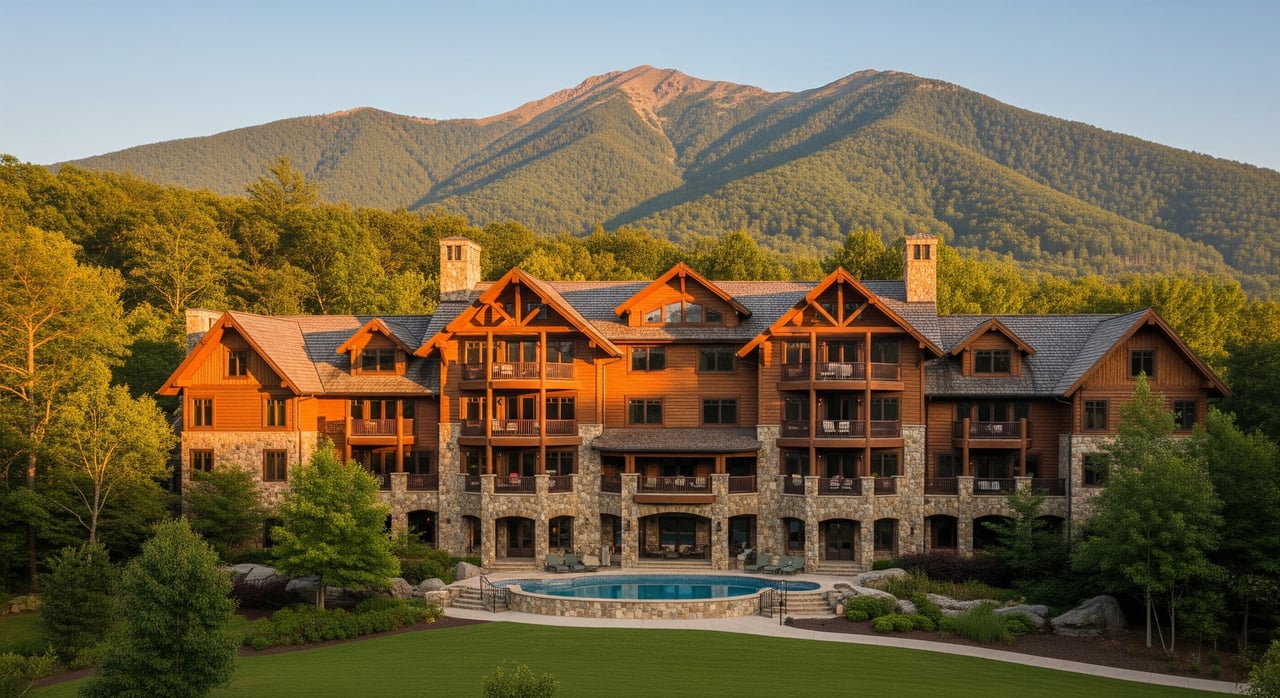
Thinking about turning a Smokies cabin or condo into a short-term rental but not sure where to begin? You’re not alone. The Sevierville area is one of the country’s busiest vacation markets, yet getting the setup right takes planning. In this guide, you’ll learn how bookings work here, what guests expect, typical costs and taxes, and the key checks to complete before you buy. Let’s dive in.
Why Sevierville STRs work
Sevier County is a high-volume leisure market driven by the Great Smoky Mountains National Park, Dollywood, outlet shopping, dinner shows, and year-round attractions. Visitor demand leans toward families, multi-generational groups, and couples on getaway trips. You’ll see strong interest in mountain cabins and larger chalets that fit groups.
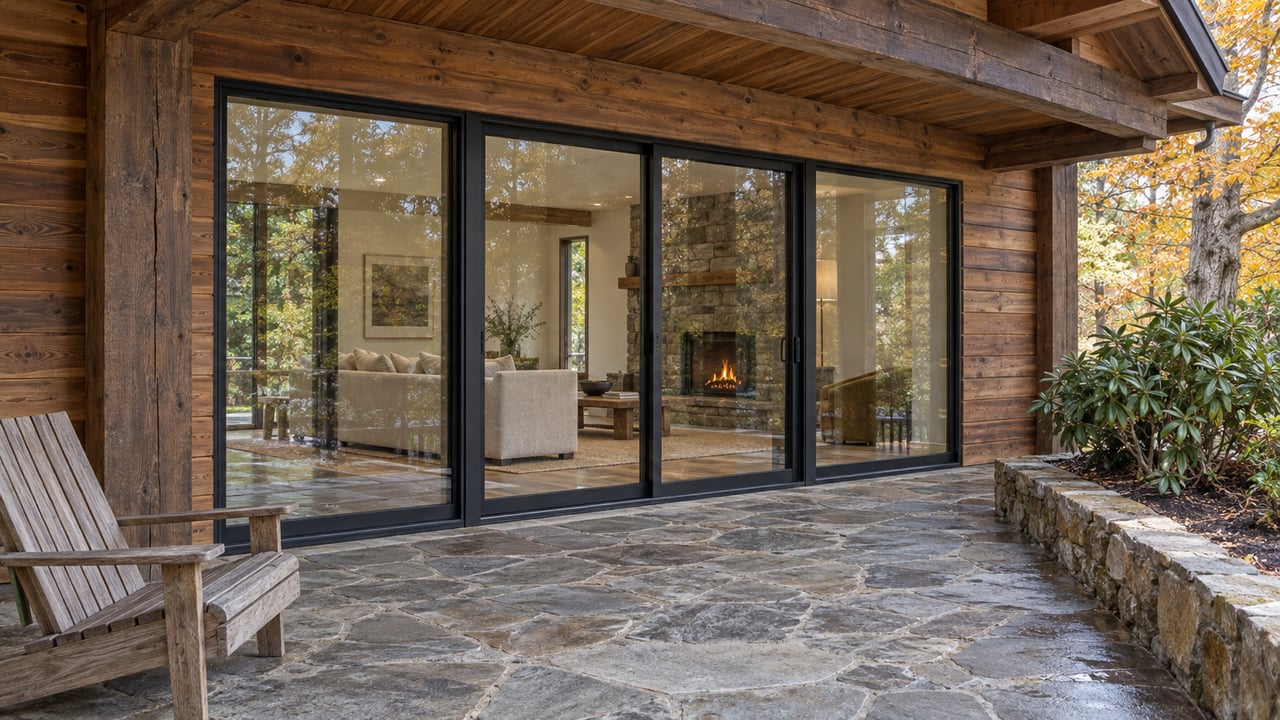
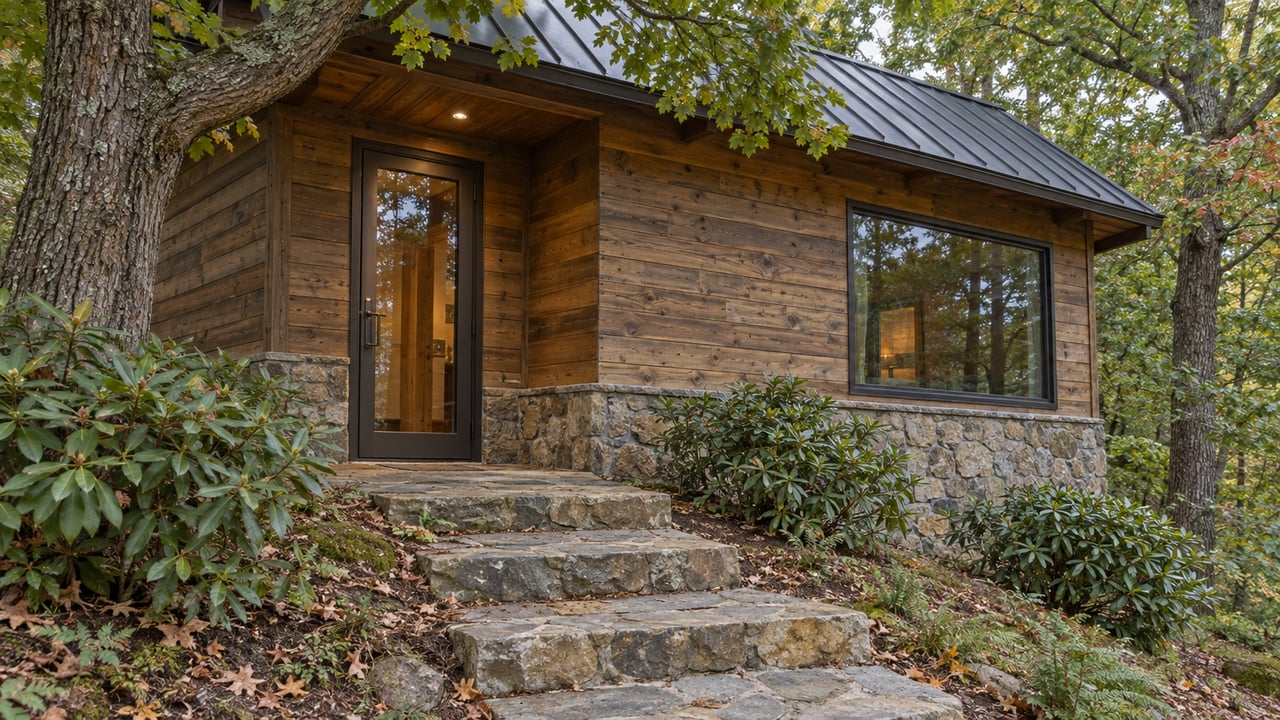
Popular property types include log cabins, multi-bedroom chalets with game rooms and hot tubs, and condos close to attractions. Pet-friendly homes with practical features, like fenced areas or easy access, can also capture attention. Location, view, and parking are frequent decision points.
When bookings peak
Bookings tend to surge in summer and during the fall leaf season from mid-September through October. Major holidays such as Thanksgiving and Christmas to New Year also fill up quickly. Spring Break weeks often see strong demand, while winter can bring smaller spikes around ski and holiday weekends.
The shoulder seasons still perform, especially for mid-week or longer stays at competitive rates. Many hosts use minimum-night rules that shift with the calendar. Expect 2 to 3 nights off-peak and 3 to 7 nights during holidays and peak weeks to manage turnover and optimize revenue.
Where bookings come from
Major online travel agencies (OTAs) drive most reservations. Airbnb and Vrbo are the core platforms, with Booking.com and Expedia capturing additional demand. Many local managers list across multiple channels and sync calendars to reduce double bookings.
Guest profiles vary by platform. Vrbo often focuses on whole-home listings and family groups that book longer stays. Airbnb captures a broader range of travelers and can generate shorter bookings. Fee structures and cancellation policies differ by channel, so your net and booking pace may vary based on how you set up each listing.
What guests expect in the Smokies
Guest expectations are straightforward but high. Cleanliness, clear communication, and easy check-in matter a lot. Strong Wi-Fi, working HVAC, and fully equipped kitchens are table stakes.
Amenities that can tip the scales include hot tubs, firepits, outdoor space or views, game rooms or streaming TV setups, and generous parking. Pet-friendly features, when allowed, are sought after. Safety is essential: smoke and carbon monoxide detectors, secure locks or keyless entry, fire extinguishers, and posted emergency instructions build trust.
Revenue, costs, and cash flow
Revenue in Sevierville depends on your average daily rate (ADR), occupancy, seasonality, and listing quality. ADR varies widely by property type, size, condition, view, and proximity to attractions. Mountain cabins and premium properties often command higher ADR than many condos, but strong condos near attractions can perform well too.
To model cash flow, build a conservative budget that includes:
- Property management: 20 to 35 percent of rental revenue for full-service management. Lower for limited services or self-management.
- Cleaning and turnover: typically $75 to $250+ per stay, based on size and scope. Peak seasons and late check-outs can increase costs.
- Platform fees: host fees often around 3 percent on some models. Guest service fees and fee structures differ by platform.
- Utilities: water/sewer, electric, gas/propane, internet/cable. Plan for seasonal spikes in heating and cooling.
- Maintenance and supplies: routine upkeep, landscaping, hot tub service, linens, and consumables. Many owners reserve 10 to 20 percent of gross revenue for maintenance and capital reserves, especially for older cabins.
- Taxes and licensing: sales and lodging taxes, plus any required business licenses or registrations.
- Insurance: confirm that your policy covers short-term rentals. STR or commercial vacation rental coverage typically costs more than standard homeowners insurance.
Dynamic pricing tools can help balance ADR and occupancy. Adjust for weekends, holidays, leaf season, and local events to optimize net revenue.
Rules, permits, and taxes to verify
Before you buy or convert a home to an STR, confirm that short-term rentals are allowed on that specific parcel. Check city or county zoning, and review HOA covenants for restrictions on rental frequency, parking, or registration. Rules vary by jurisdiction, so verify each item rather than assuming.
Plan to register for applicable taxes. In Tennessee, short-term rentals usually involve state sales tax and lodging taxes, and local jurisdictions may impose additional occupancy taxes. Some platforms collect and remit certain taxes automatically in some areas, but you are responsible for understanding which taxes are covered and which require your own registration and reporting.
Safety and code items also matter. Ensure you meet requirements for smoke and carbon monoxide detectors, egress, fire extinguishers, and any posted safety notices. Neighborhood rules may include occupancy caps, on-site parking requirements, and trash handling guidance to reduce wildlife issues.
Management options that fit you
You can self-manage, hire a professional, or take a hybrid approach. Self-management can reduce fees but requires daily availability for guest messaging, turnovers, maintenance, and emergencies. It works best if you live nearby or have reliable local vendors.
Professional managers generally charge 20 to 35 percent of rental revenue but handle marketing, guest communications, housekeeping coordination, and routine maintenance. This model is popular for out-of-state owners or for those who prefer a hands-off approach. Hybrid setups let you manage some tasks while outsourcing cleaning and on-call support.
House rules and listing clarity
Clear house rules prevent issues and protect your business. Include maximum occupancy, parking instructions, quiet hours, pet policies, and check-in and check-out times. Share waste disposal steps and note any mountain driving or weather advisories.
Directions and access details help guests arrive stress-free. Describe steep driveways, narrow roads, or low-clearance areas, and advise on vehicles when needed. Provide a local contact for after-hours questions.
Positioning your listing to stand out
Professional photos and accurate descriptions boost conversion. Lead with your differentiators: views, hot tub, game room, large dining areas for groups, proximity to Dollywood or park trailheads, and clear parking capacity. Keep amenity lists thorough but honest.
Lean on dynamic pricing to reflect demand changes by day of week and season. Weekend nights can support higher rates. Longer minimum stays during peak you can preserve revenue and reduce turnover costs.
Before you buy: a Smokies STR checklist
Use this quick checklist to avoid surprises and set up your property for success:
- Confirm zoning and permitted use for short-term rental at the specific address.
- Review HOA covenants and bylaws for rental rules, parking limits, and fines.
- Register for required state and local taxes and confirm which taxes, if any, platforms collect for you.
- Obtain STR-appropriate insurance and confirm coverage gaps with a broker.
- Get written confirmation of allowed parking counts and access, especially for mountain roads.
- Interview at least two local property managers for realistic projections and contract terms.
- Build a conservative financial model including mortgage, utilities, management fees, cleanings, taxes, insurance, and a 10 to 20 percent maintenance reserve.
- Inspect HVAC, water heater, roof, and septic or sewer connections, and estimate near-term replacements.
- Prepare a guest welcome guide with house rules, emergency contacts, and local resources.
- Line up local cleaners, hot tub service, and maintenance vendors who know mountain cabins.
Your next step in Sevierville
The Smokies are a proven vacation market, and Sevierville offers a wide range of cabins and condos that can perform when set up correctly. Your success comes down to buying in the right location, confirming rules up front, pricing with the calendar, and delivering a clean, well-equipped home.
If you want local, operator-backed guidance on neighborhoods, revenue drivers, and compliant setup, connect with Kelly White. Receive Listings & Investment Insights, compare true-to-market comps, and move from search to closing with confidence.
FAQs
What are peak booking seasons in Sevierville?
- Summer, mid-September through October for fall colors, Spring Break weeks, and major holidays like Thanksgiving and Christmas to New Year, with smaller winter peaks around ski or holiday weekends.
Which amenities drive Smokies bookings?
- Reliable HVAC and Wi-Fi, fully equipped kitchens, clean linens, hot tubs, firepits, outdoor space or views, game rooms or streaming TV, ample parking, and pet-friendly features where allowed.
How much do cleaners charge per turnover?
- Many owners budget $75 to $250+ per stay, depending on home size, service scope, season, and any late check-outs.
What is a typical STR management fee?
- Full-service management in resort markets often ranges from 20 to 35 percent of rental revenue, with lower fees for limited services or self-management.
Do platforms collect taxes for me in Tennessee?
- Some platforms collect and remit certain lodging taxes in some jurisdictions, but you must verify which taxes are covered and register for any remaining state or local taxes yourself.
Are cabins or condos better for Smokies STRs?
- It depends on size, condition, view, and location; mountain cabins and premium properties often achieve higher ADRs, while condos near attractions can perform well with the right pricing and amenities.
What house rules should I include for a mountain rental?
- Maximum occupancy, parking details, quiet hours, pet policy if allowed, check-in and check-out times, trash handling, emergency contacts, and any driving advisories for steep or narrow roads.